Eagle Air
Skip to content
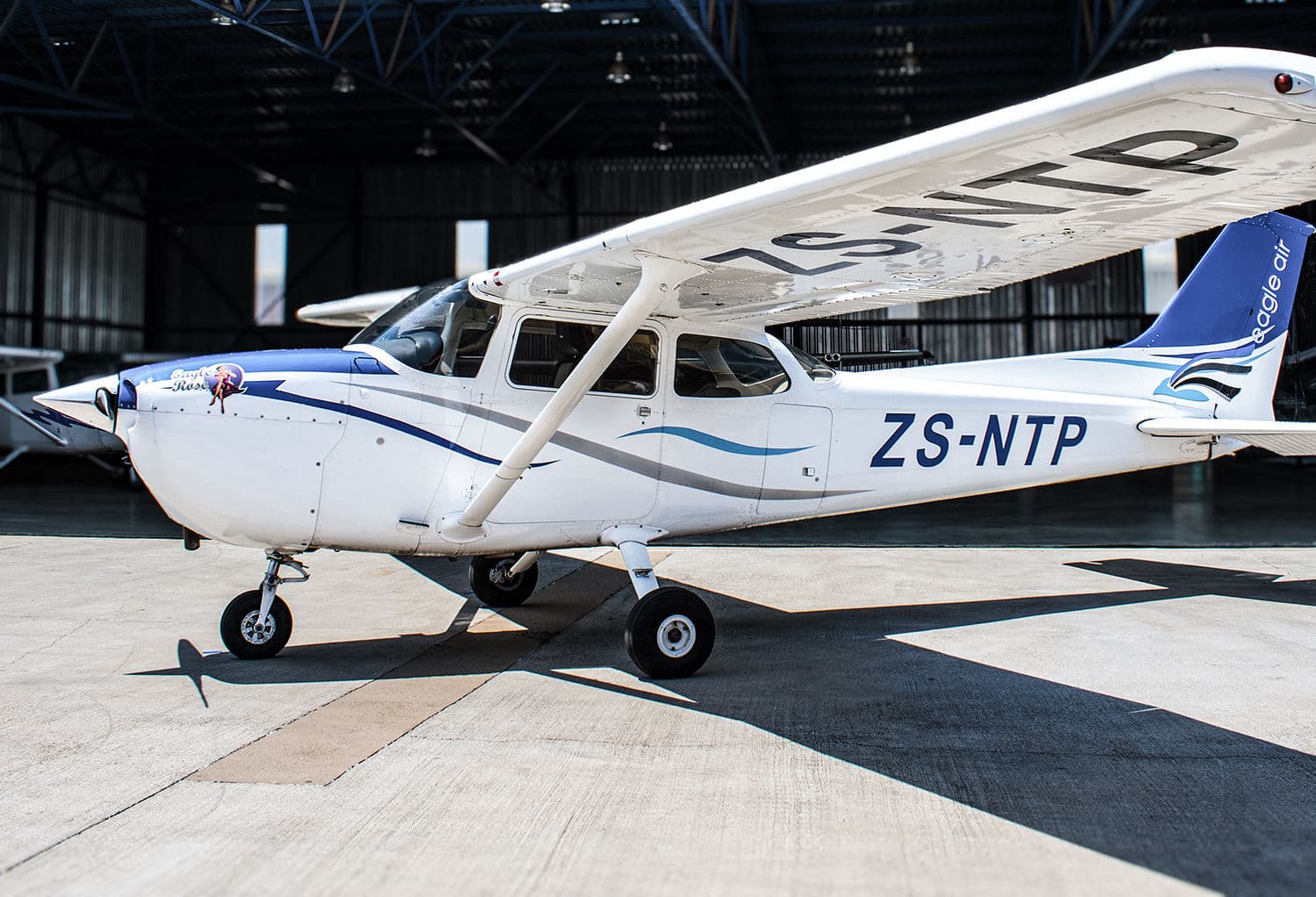
A Cessna 172 on the sunlit apron outside the Eagle Air hangar

Flight training at Eagle Air · Wonderboom National Airport

There is more than one way to become a pilot. Let's find yours.

Whether you want to fly for yourself, build a professional career or add the next capability to your licence, your path starts with a clear next step.

On the apron · where to begin

What do you want flying to become?

Choose one. Your route, starting point and courses update below — and you can change your mind any time.

Your route preview

Choose a goal above to see your route.

From the apron to open sky

A typical route to professional flying

Choose a goal above to see your route.

Shown meanwhile: a typical professional route, as a preview.

Choose your goal

A typical route — every student progresses at their own pace, and the training team will confirm yours.

  1. Step 01

    Begin with private pilot training

    Private Pilot Licence (PPL)

    Unlocks

    Your first licence, and the foundation for everything after it
  2. Step 02

    Fly after sunset

    Night Rating

    Unlocks

    Night flying — required before the Commercial Pilot Licence

  3. Step 03

    Build flight time and commercial theory

    Hour Building and commercial ground school

  4. Step 04

    Add instrument and multi-engine capability

    Instrument Rating (IR) and Multi-Engine (ME) training

  5. Step 05

    Qualify as a commercial pilot

    Commercial Pilot Licence (CPL)

  6. Step 06

    Keep building professional experience

    Instructor Rating, or progress toward the Airline Transport Pilot Licence (ATPL)

  7. Your next step ↓

Every course, in plain English

Explore the training

Every licence, rating and supporting qualification, organised by what you want to do.

Showing 12 of 12

Licences3

  • Licence

    Private Pilot Licence (PPL)

    Learn to fly an aircraft yourself, for the enjoyment of it or as the first step of a flying career.

    Who it's for
    Beginners — no flying experience needed.
    What it enables
    Fly yourself and non-paying passengers in daylight and good weather; the foundation for commercial training.
    Starting level
    No flying experience
  • Licence

    Commercial Pilot Licence (CPL)

    Qualify to fly as a pilot for compensation or hire.

    Who it's for
    Private pilots building a professional flying career.
    What it enables
    Paid professional flying. It's taken with an Instrument Rating (a CPL with IF) or without one, which changes the flight experience required.
    Starting level
    Private Pilot Licence and Night Rating
  • Licence

    Airline Transport Pilot Licence (ATPL)

    The highest level of pilot licence, for pilot-in-command of multi-crew aircraft such as airliners.

    Who it's for
    Commercial pilots progressing toward airline command — not a first course.
    What it enables
    Pass the ATPL theory as a commercial pilot with an Instrument Rating (a 'frozen ATPL'), then build the required experience toward the full licence.
    Starting level
    Commercial Pilot Licence

Ratings4

  • Rating

    Night Rating

    Adds the privilege of flying after sunset.

    Who it's for
    Private pilots, and everyone on the professional route.
    What it enables
    Night flying in visual conditions — and it's required before the CPL.
    Starting level
    Private Pilot Licence
  • Rating

    Instrument Rating (IR)

    Adds the ability to fly on instruments alone, under Instrument Flight Rules (IFR), when you can't see outside references.

    Who it's for
    Pilots heading into commercial or airline flying.
    What it enables
    Instrument (IFR) operations — essential for most commercial and airline flying.
    Starting level
    PPL with Night Rating, or CPL
  • Rating

    Multi-Engine Rating (ME)

    Moves you from one engine to two, on more complex aircraft.

    Who it's for
    Pilots on the commercial route.
    What it enables
    Multi-engine operations, trained on the Beechcraft Baron 55 and Piper Seneca II.
    Starting level
    Entry requirements: ask the training team
  • Rating

    Instructor Rating

    Qualifies you to teach student pilots.

    Who it's for
    Licensed pilots who want to teach while they build experience.
    What it enables
    Instructing — a common way to build hours and professionalism toward senior roles.
    Starting level
    Entry requirements: ask the training team

Experience1

  • Experience

    Hour Building — Hire & Fly

    Build pilot-in-command flying time and real-world experience.

    Who it's for
    Licensed pilots building toward commercial training, or flying for pleasure.
    What it enables
    The experience commercial training requires, through hire-and-fly and organised fly-away trips to other airfields.
    Starting level
    Private Pilot Licence

Supporting qualifications4

  • Supporting qualification

    Ground School

    The theory behind safe flying: air law, meteorology, navigation, flight planning and more.

    Who it's for
    Every student pilot — in a classroom or online at your own pace.
    What it enables
    Your theory examinations, and better decisions in the air.
    Starting level
    No flying experience
  • Supporting qualification

    Restricted Radiotelephony

    The standard radio procedures and phraseology for your first flying.

    Who it's for
    Student pilots.
    What it enables
    Clear radio calls with air traffic control — required for the PPL.
    Starting level
    No flying experience
  • Supporting qualification

    General Radiotelephony

    Advanced radio communication for controlled airspace and professional operations.

    Who it's for
    Pilots on the instrument and commercial route.
    What it enables
    Busier airspace and professional flying — required for the Instrument Rating.
    Starting level
    Restricted Radiotelephony
  • Supporting qualificationTo confirm

    English Language Proficiency (ELP)

    The aviation-English assessment a pilot licence requires, with training if needed.

    Who it's for
    Every student pilot, including international students.
    What it enables
    Licence issue.
    Starting level
    No flying experience

In the air

What training actually feels like

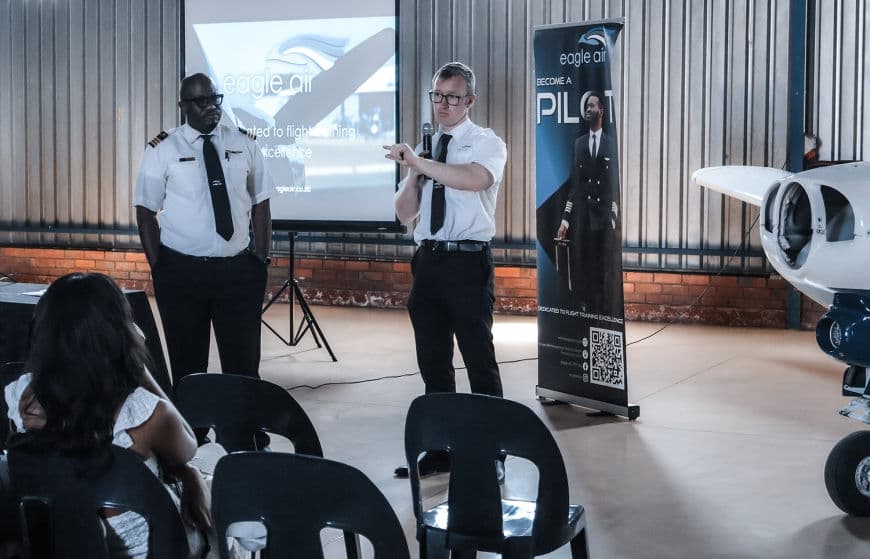
  1. An instructor leading a briefing for students in the Eagle Air classroom

    Prepare

    Briefings, theory and checklists with your instructor — so every decision in the air has a reason behind it.
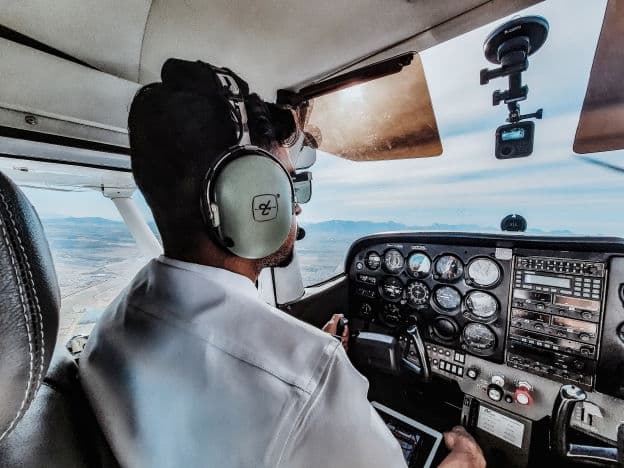
  2. A student pilot in a headset flying the aircraft, hands on the controls

    Fly

    Dual lessons with an instructor beside you, real decisions in the air, and your hands on the controls.
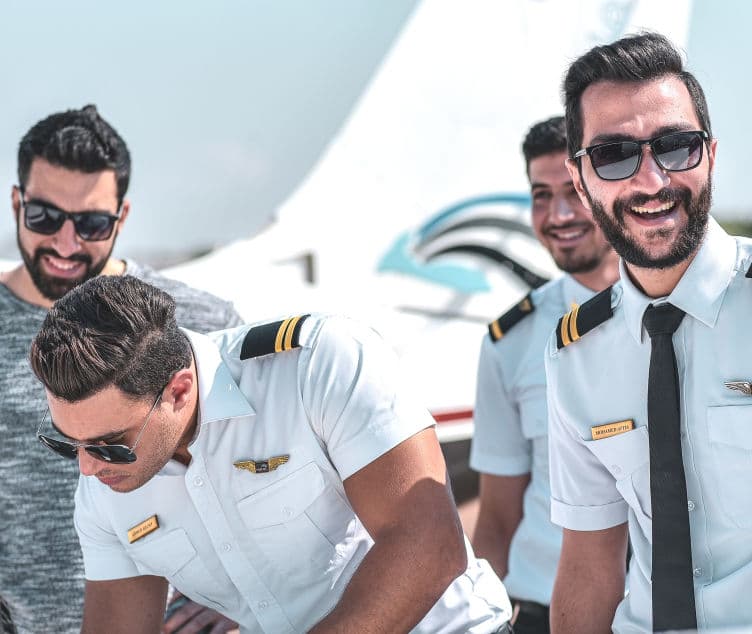
  3. Smiling student pilots gathered beside an aircraft on the apron

    Progress

    Your first solo, cross-country flights and flight tests: each milestone builds the confidence for the next.
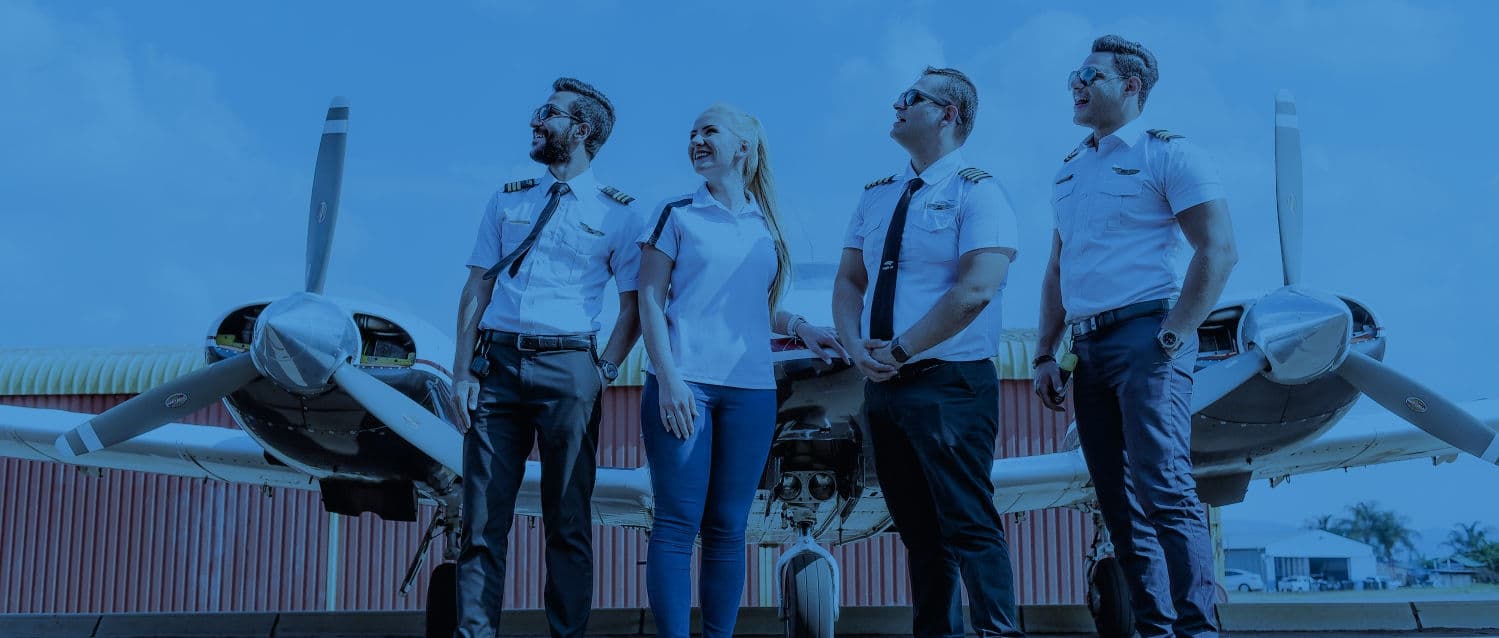
Four Eagle Air pilots standing together beside an aircraft under a blue sky

Why Eagle Air

Why students train at Eagle Air

  1. SACAA-accredited training organisation

    Registered with the South African Civil Aviation Authority as SACAA ATO 1082.

  2. Wonderboom National Airport

    Train from Hangar 58A at Wonderboom National Airport, Pretoria.

  3. Instructors, simulator and fleet

    70,000+ hours of combined experience, an FNPT II simulator, and a fleet from the Cessna 172 to the Beechcraft Baron 55.

  4. Local and international students

    International students train here with the appropriate study visa, with student transport within 10 km of the airport.

Open sky
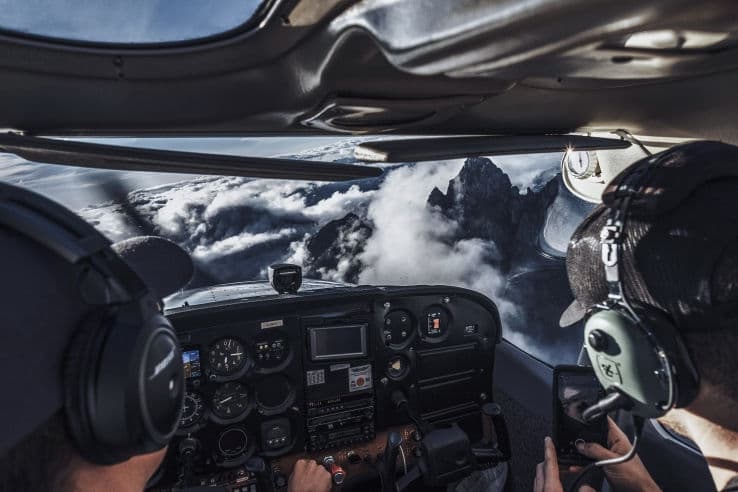
You do not need to have the whole route figured out. Just the next step.

The view past a pilot's headset over a layer of cloud on a cross-country flight