
Eagle Air
Skip to content
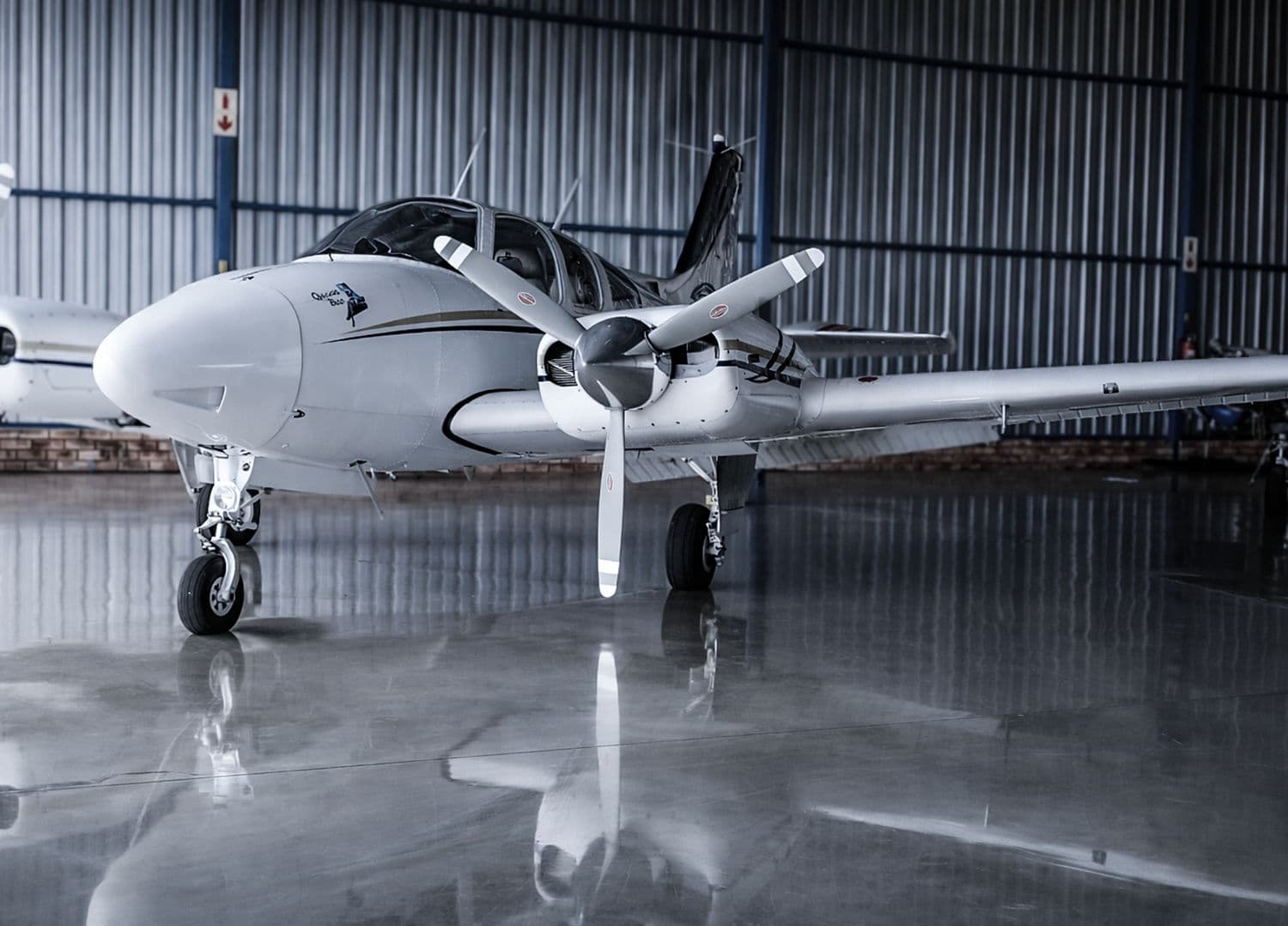
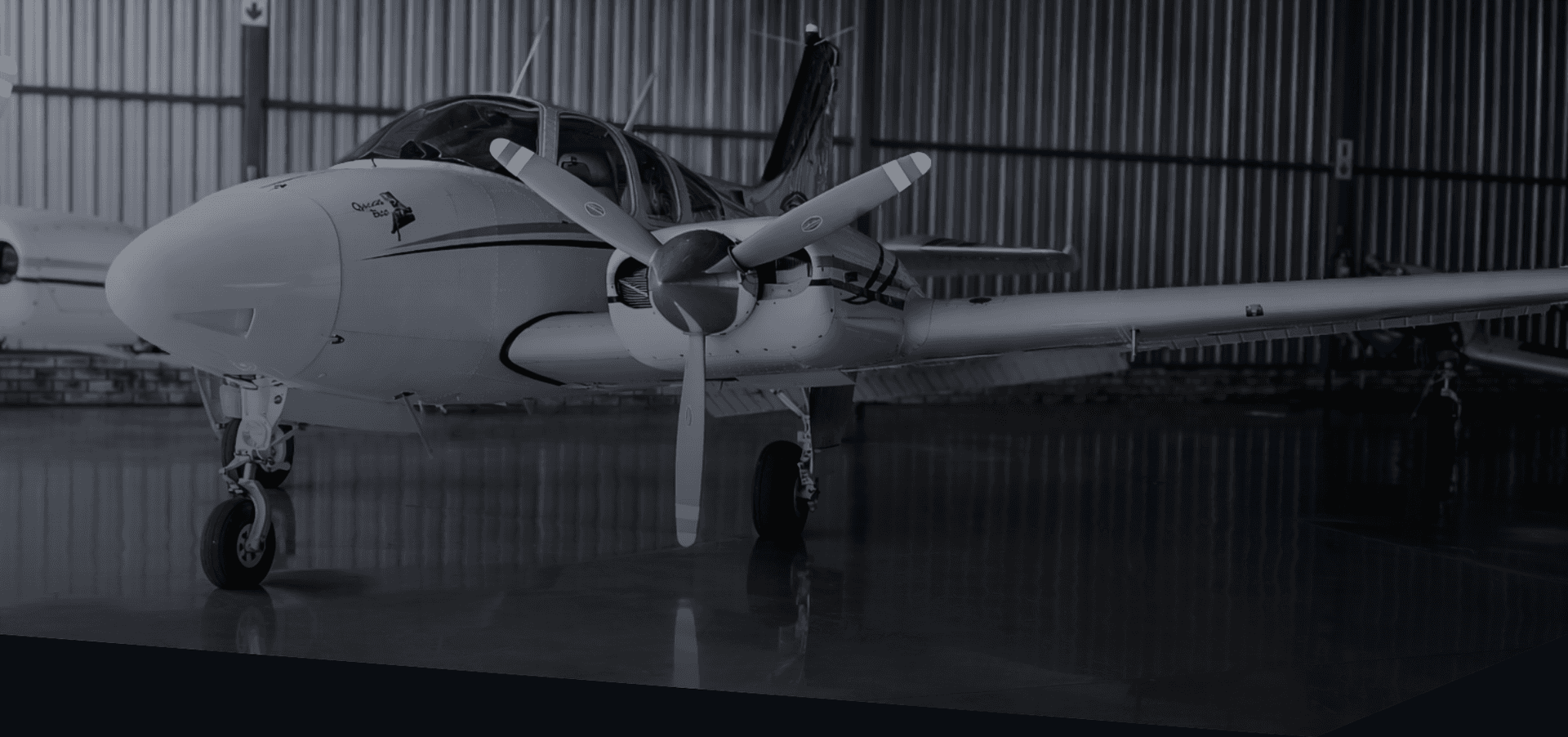
A Beechcraft Baron 55 waiting in the dark of the Eagle Air hangar

About Eagle Air

Built on the ground. Proven in the air.

A SACAA-accredited training organisation at Wonderboom National Airport, training pilots for more than fifteen years — from a first lesson to a commercial licence.

First light · who we are

Who Eagle Air is

A flight school with one base, one standard and a fleet that grows with the student.

Eagle Air is a fully accredited Aircraft Training Organization, registered with the South African Civil Aviation Authority. Its owners, management, instructors and students share a strong sense of responsibility, creating a disciplined and supportive training environment focused on safe, efficient and cost-effective flight training.

Based at Hangar 58A, Wonderboom National Airport, the school keeps its standards through a trusted aircraft maintenance partner — keeping the fleet in condition, and giving students real technical insight. With dedicated safety oversight and an experienced Chief Flight Instructor, training runs from first lessons and private flying through to commercial licences and advanced ratings.
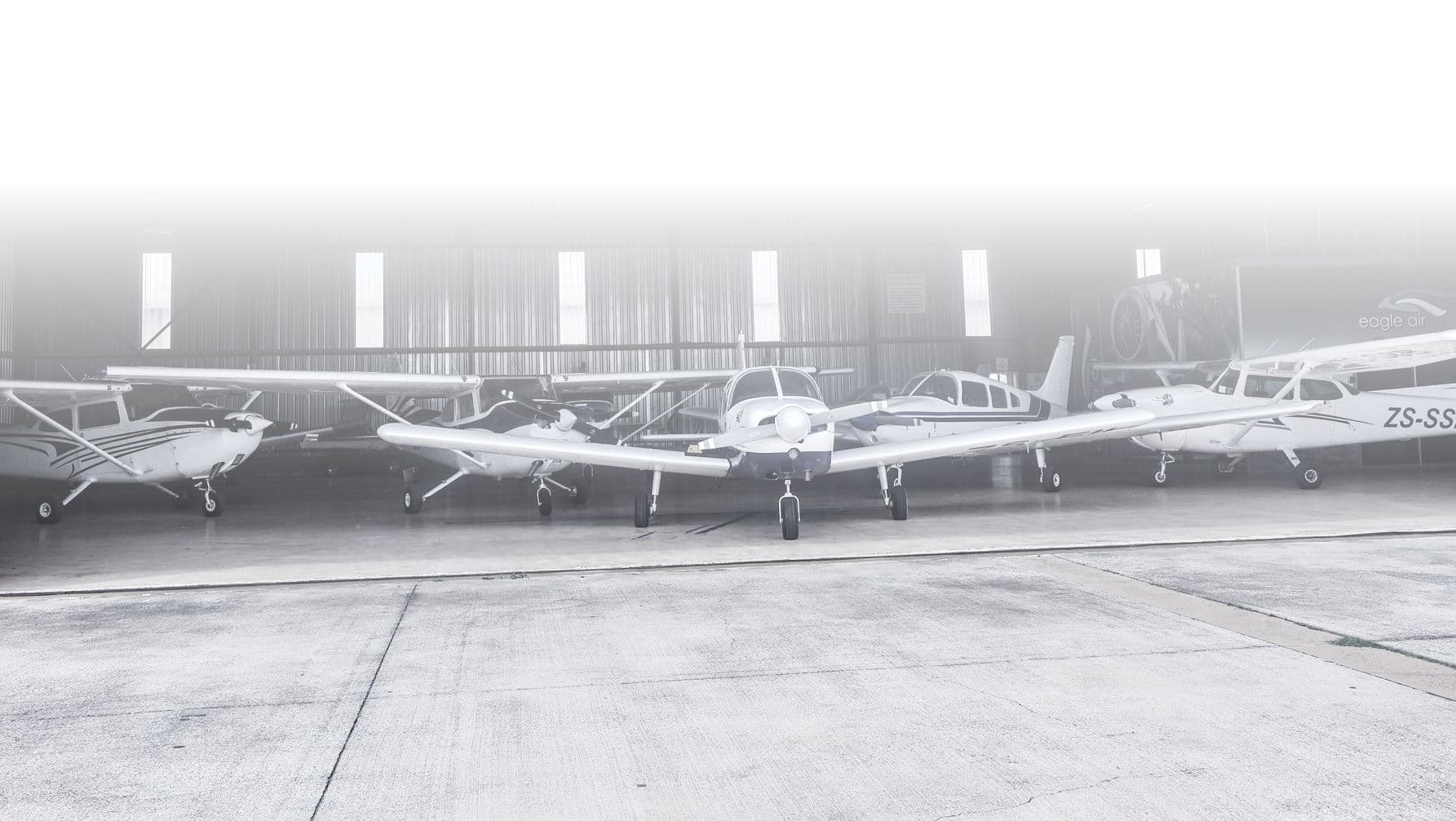
The Eagle Air training fleet lined up inside the bright hangar
training pilots
15+ years
accredited training organisation
SACAA ATO 1082
Wonderboom National Airport
Hangar 58A

The weather check · what we hold to

Flying is the reward. Discipline is how you get there.

What the school believes professional training asks for, and what a student actually sees.

SACAA ATO 1082A fully accredited Aircraft Training Organization, registered with the South African Civil Aviation Authority.

  1. 01

    A disciplined, supportive environment

    Owners, management, instructors and students share the responsibility for how training is run.

  2. 02

    Safety oversight, not an afterthought

    A dedicated Quality and Safety Manager and an experienced Chief Flight Instructor hold the standard the school trains to.

  3. 03

    Preparation before flight

    Ground school, briefing and planning come before the aircraft — fourteen briefing rooms exist for exactly that.

  4. 04

    Aircraft care is part of pilot training

    Working beside a maintenance organisation on the airport gives students technical understanding, not just handling skill.

  5. 05

    Responsibility earned in stages

    Students move from a stable first trainer to complex and multi-engine aircraft as their capability grows.

The briefing · who supports you

The people behind every flight

A training day passes through several people. Here is who does what, and when you meet them.

70,000+ hours of combined instructor experience

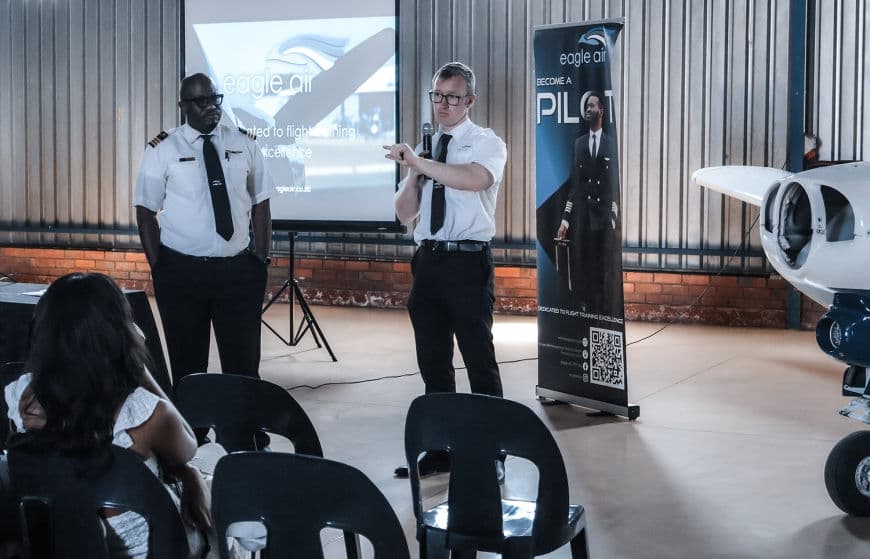
An instructor leading a briefing for students in the Eagle Air classroom
  1. Progress review

    Chief Flight Instructor

    Holds the training standard, oversees instructors and signs off progress toward each licence.

  2. Across the day

    Quality and Safety Manager

    Full-time safety oversight: how the school operates, and how it keeps operating that way.

  3. Briefing · Flight · Debrief

    Flight instructors

    Brief the flight, fly beside you, then debrief it — the people you train with most.

  4. Planning

    Ground-school instructors

    Teach the theory behind each examination, in the classroom or online at your own pace.

  5. Aircraft authorisation

    Maintenance partner

    A reputable on-airport maintenance organisation keeps the fleet in condition — and lets students see how aircraft are looked after.

  6. Before and between flights

    Student support

    Enrolment, scheduling, the pilot shop and transport within 10 km of the airport.

Doors open · where students prepare

Where students prepare

What the base gives a student, beyond a place to park aircraft.

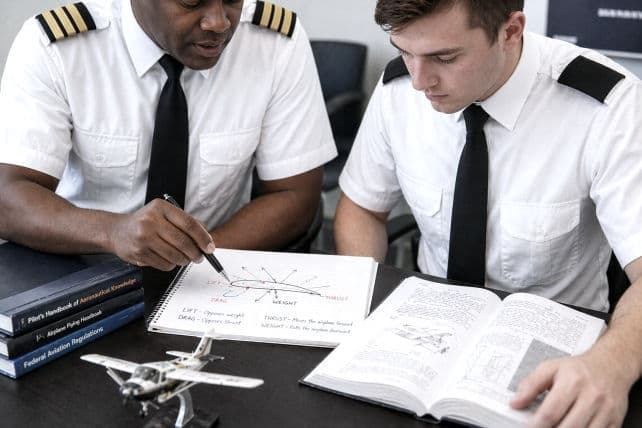
Two student pilots in uniform working through a flight-planning exercise together
  • 14

    briefing rooms

    Room for one-to-one planning, weather preparation and the debrief after every flight.

  • 7

    SACAA-approved examination stations

    Theory examinations are written at the school, not somewhere else.

  • 3

    hangars

    The fleet is kept, prepared and inspected on site.

  • Computer-based training

    Interactive, animated lessons that make the theory clearer before it is examined.

  • Pilot shop

    Headsets, charts, training materials and uniform, stocked on site.

  • 10 km

    student transport

    Transport between your accommodation and the airport within a 10 km radius.

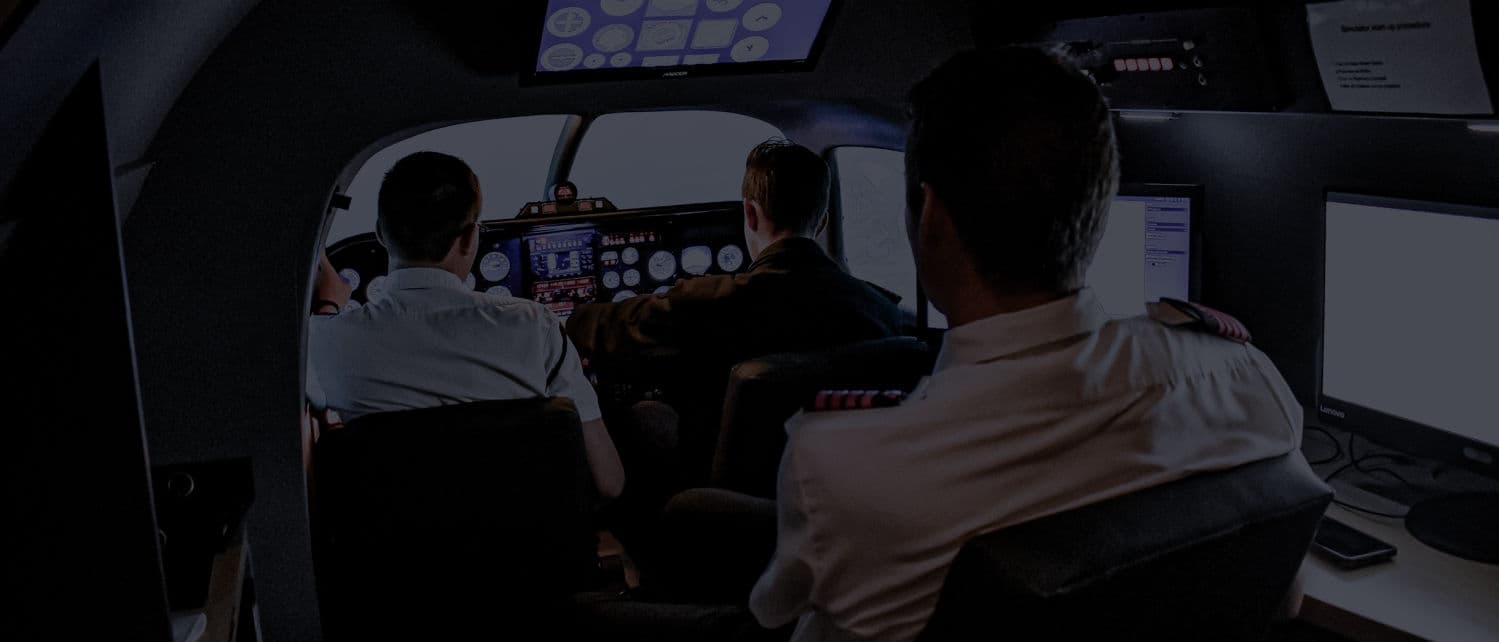
Two pilots training together in the flight simulator

Before the weather decides

The simulator

An FNPT II — a certified flight and navigation procedures trainer, not a game and not a substitute for the aircraft.

Eagle Air's FNPT II certified simulator, with GNSS and RNAV capability, gives a realistic and efficient training environment. Students practise instrument flying and advanced procedures safely, whatever the weather, building confidence and precision before the same work is flown in the aircraft.

  • Instrument flying, with no outside references
  • Instrument navigation, including GNSS and RNAV procedures
  • Advanced procedures, repeated until they are secure
  • Flying that would otherwise wait for the weather

Simulator time counts toward a rating only as far as the regulations allow: up to 20 of the Instrument Rating's 40 instrument hours, for example.

On the apron · the aircraft you grow into

Your training changes. Your aircraft changes with it.

The fleet is a progression, not a catalogue: each aircraft adds something the last one couldn't teach you.

The fleet is built around the Cessna 172 — stable, reliable and forgiving. For advanced training the school operates aircraft with retractable landing gear and variable-pitch propellers, preparing students for higher-level licences. Multi-engine and commercial training is flown on the Beechcraft Baron 55 and the Piper Seneca II.

12+ aircraft in the training fleet

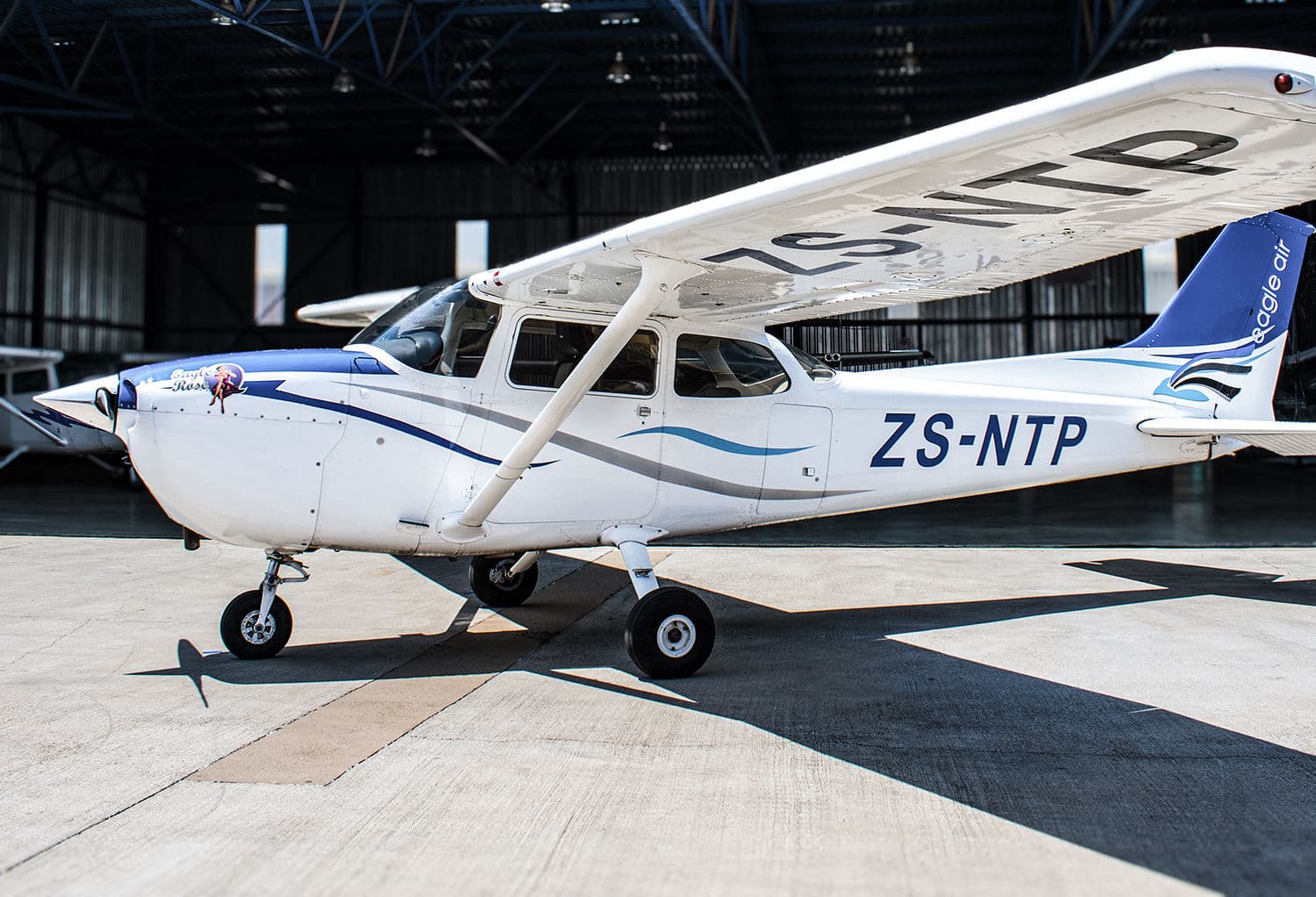
  • A Cessna 172 on the sunlit apron outside the Eagle Air hangar

    Stage 01 of 06 · First trainer

    Cessna 172

    A high-wing trainer used worldwide, and where most students fly their first lessons.

    What it develops: Handling, circuits and the confidence to go solo.

    Single-engine piston

    • Stable and forgiving
    • Flown for the PPL, Night Rating, hour building and parts of the CPL
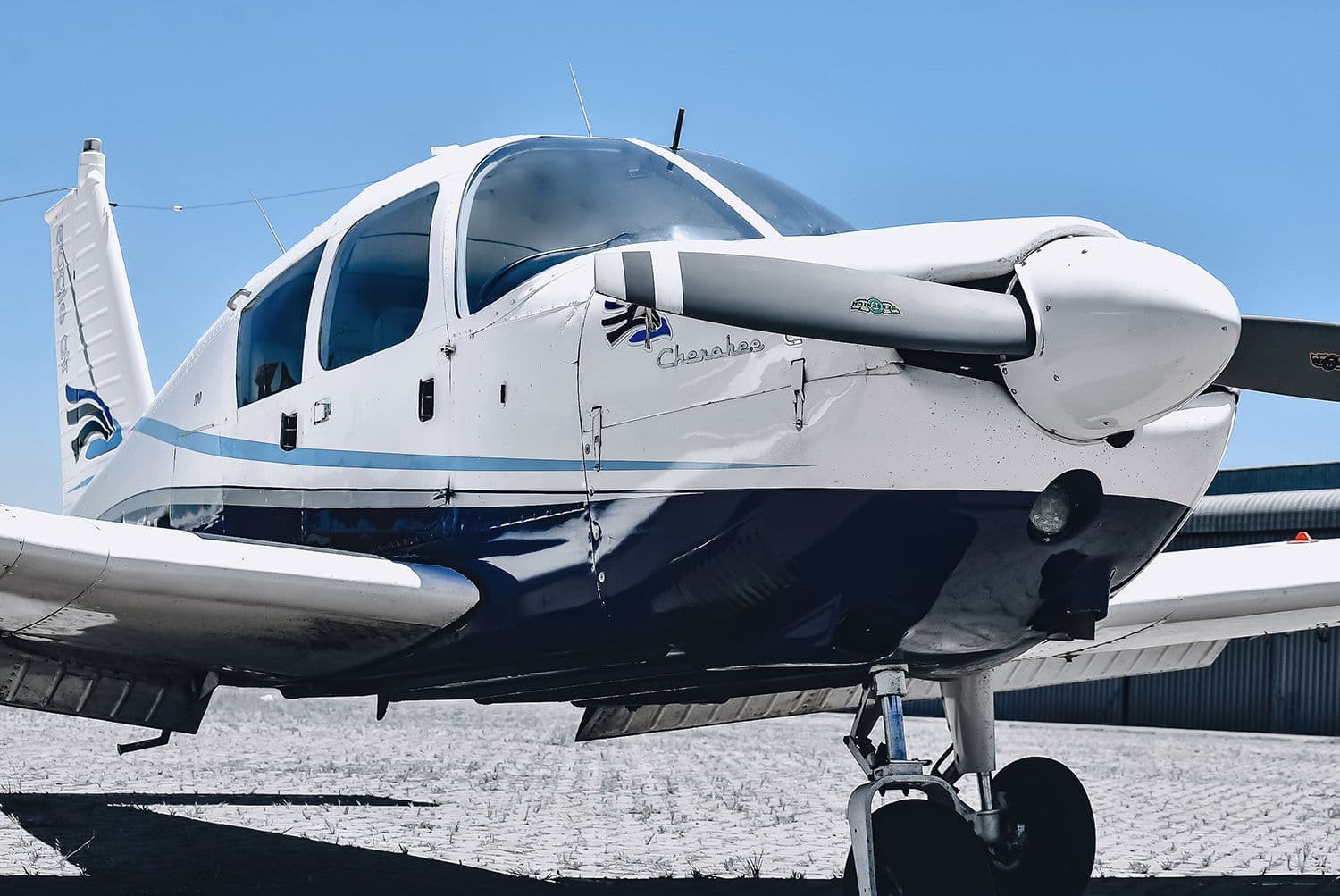
  • A Piper Cherokee parked on the apron in the sun

    Stage 02 of 06 · Single-engine training

    Piper Cherokee

    A low-wing trainer flown for the same licences as the Cessna, with a little more power and speed.

    What it develops: Accuracy and experience across a second aircraft type.

    Single-engine piston

    • Low wing
    • Slightly more horsepower and speed than a Cessna 172
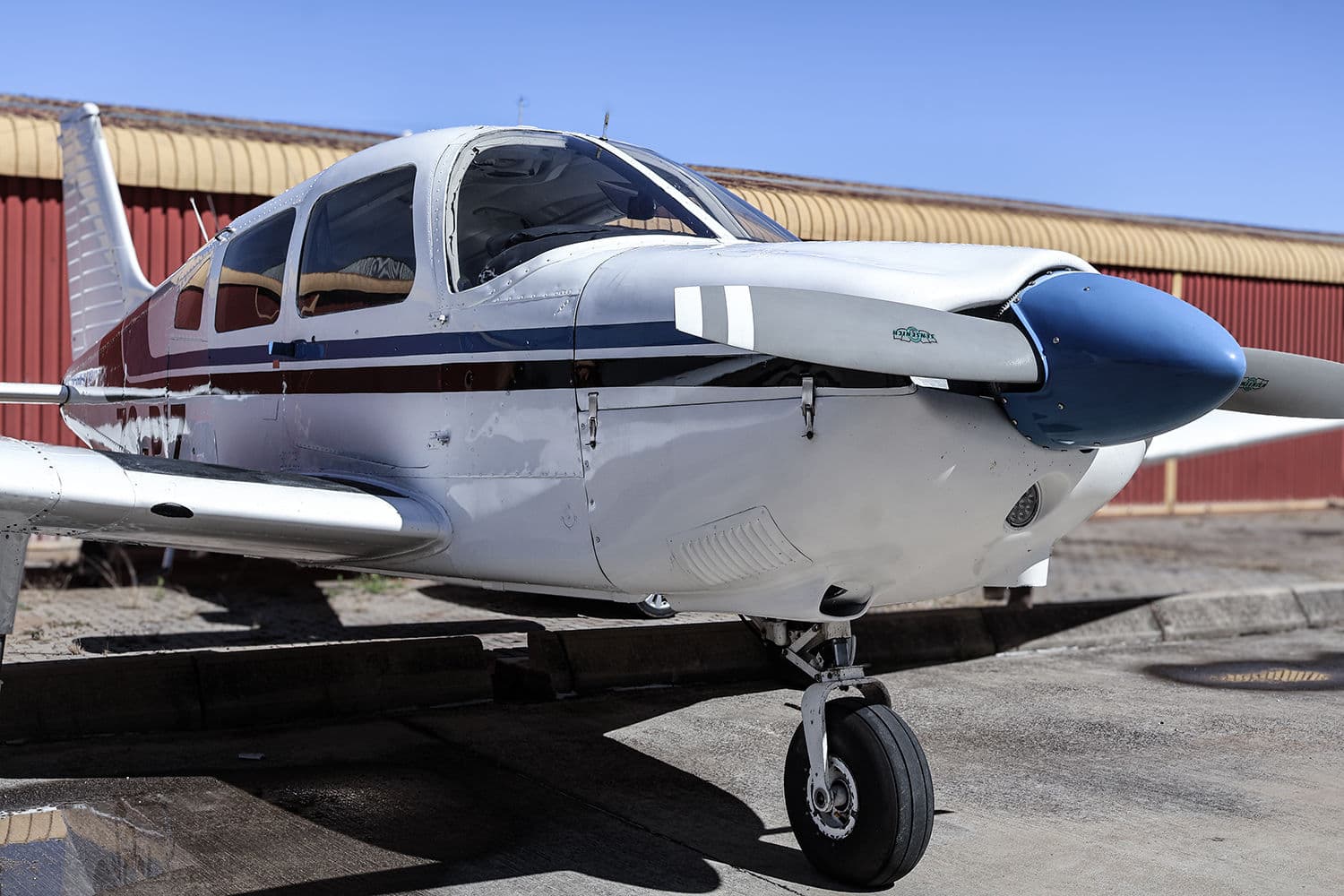
  • A Piper Archer parked outside the Eagle Air hangar

    Stage 03 of 06 · Single-engine training

    Piper Archer

    A low-wing trainer used through the PPL, Night Rating, hour building and parts of the CPL.

    What it develops: Hours and handling on a second low-wing type.

    Single-engine piston

    • Low wing
    • Slightly more horsepower and speed than a Cessna 172
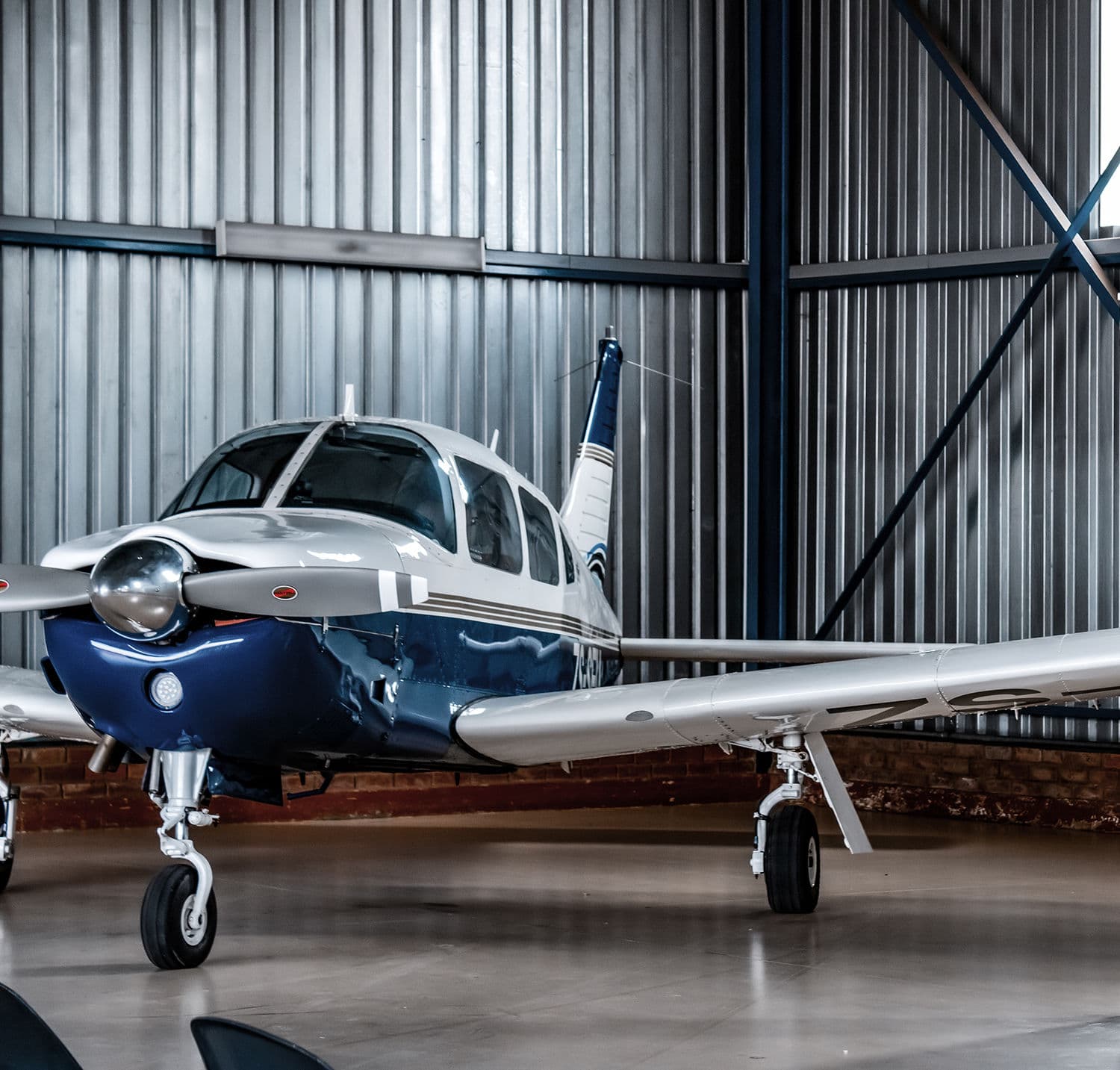
  • A Piper Arrow inside the hangar

    Stage 04 of 06 · Advanced trainer

    Piper Arrow II & III

    The step up to complex aircraft: fuel injection, a variable-pitch propeller and retractable gear.

    What it develops: System management, and the habits a commercial test expects.

    Complex single-engine piston

    • Retractable gear and variable-pitch propeller
    • Used for ratings and system endorsements
    • Popular for single-engine CPL training and tests
    • The Arrow III eases the transition to the Seneca II
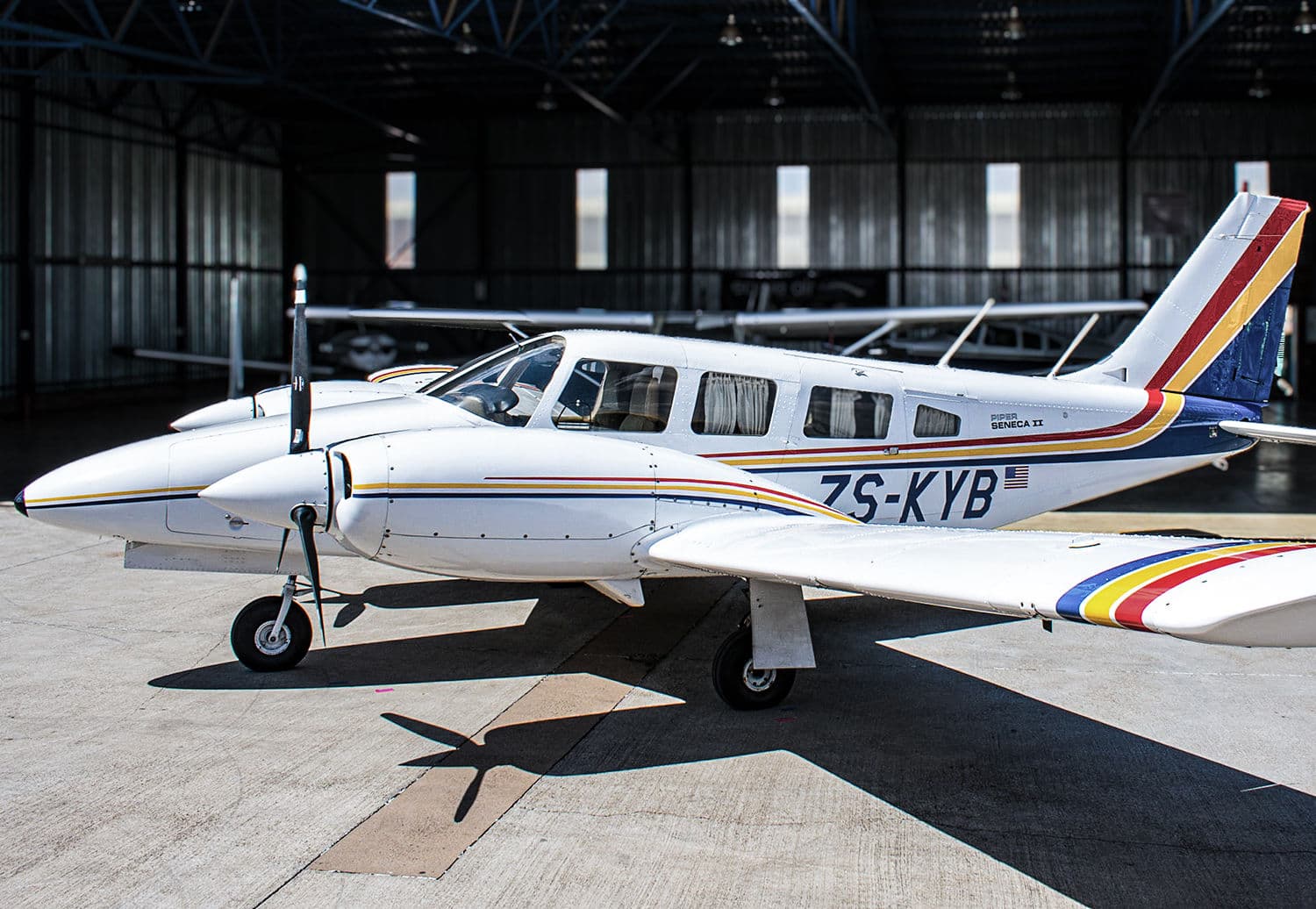
  • A Piper Seneca II, the school's turbocharged twin, on the apron

    Stage 05 of 06 · Multi-engine training

    Piper Seneca II

    A twin used mainly for multi-engine CPL training.

    What it develops: Two-engine procedures and the workload that comes with them.

    Multi-engine piston

    • Fuel injection, variable-pitch, retractable gear
    • Turbocharged engines
  • A Beechcraft Baron 55 on the polished hangar floor

    Stage 06 of 06 · Multi-engine training

    Beechcraft Baron 55

    The school's other twin for multi-engine CPL training.

    What it develops: Multi-engine procedures at a slightly higher pace.

    Multi-engine piston

    • Fuel injection, variable-pitch and retractable gear
    • Not turbocharged, and slightly faster than the Seneca II

Before the aircraft is signed out

Aircraft care is part of pilot training

A professional pilot understands the aircraft, not just the controls.

Eagle Air works with a reputable maintenance organisation on the airport, with safety as the priority. Keeping the fleet in condition is their work; what it gives students is insight into aircraft systems, and a clearer understanding of what they are flying.

  • A trusted, on-airport maintenance organisation — not the school itself.

  • Students gain valuable insight into aircraft systems and technical understanding.

  • Dedicated safety oversight sits alongside it, in the training environment itself.

Come and see it

Wonderboom National Airport, Pretoria

A working airport, not a training field — and everything a student needs is on one site.

  • Briefing rooms, simulator, examination stations and the fleet are all at the training base.
  • Training happens in a real operational airport environment, with other traffic and a control tower.
  • Student transport runs between your accommodation and the airport within a 10 km radius.
Address
Hangar 58A, Wonderboom National Airport, Pretoria, South Africa, 0084
Airfield
Wonderboom National Airport · FAWB
A light twin taxiing past the Eagle Air hangar in daylight

Training here from abroad

International students train at Eagle Air with the appropriate study visa, secured before training begins. The team will talk you through what that means for your situation.

  • A South African PPL or CPL is open to international students with the appropriate study visa.
  • Student transport within 10 km of the airport applies to international students too.
Speak to Our Team

Open sky

You have seen where the training happens. Now find where yours begins.

Come and see the hangar, the simulator and the aircraft before you decide anything.

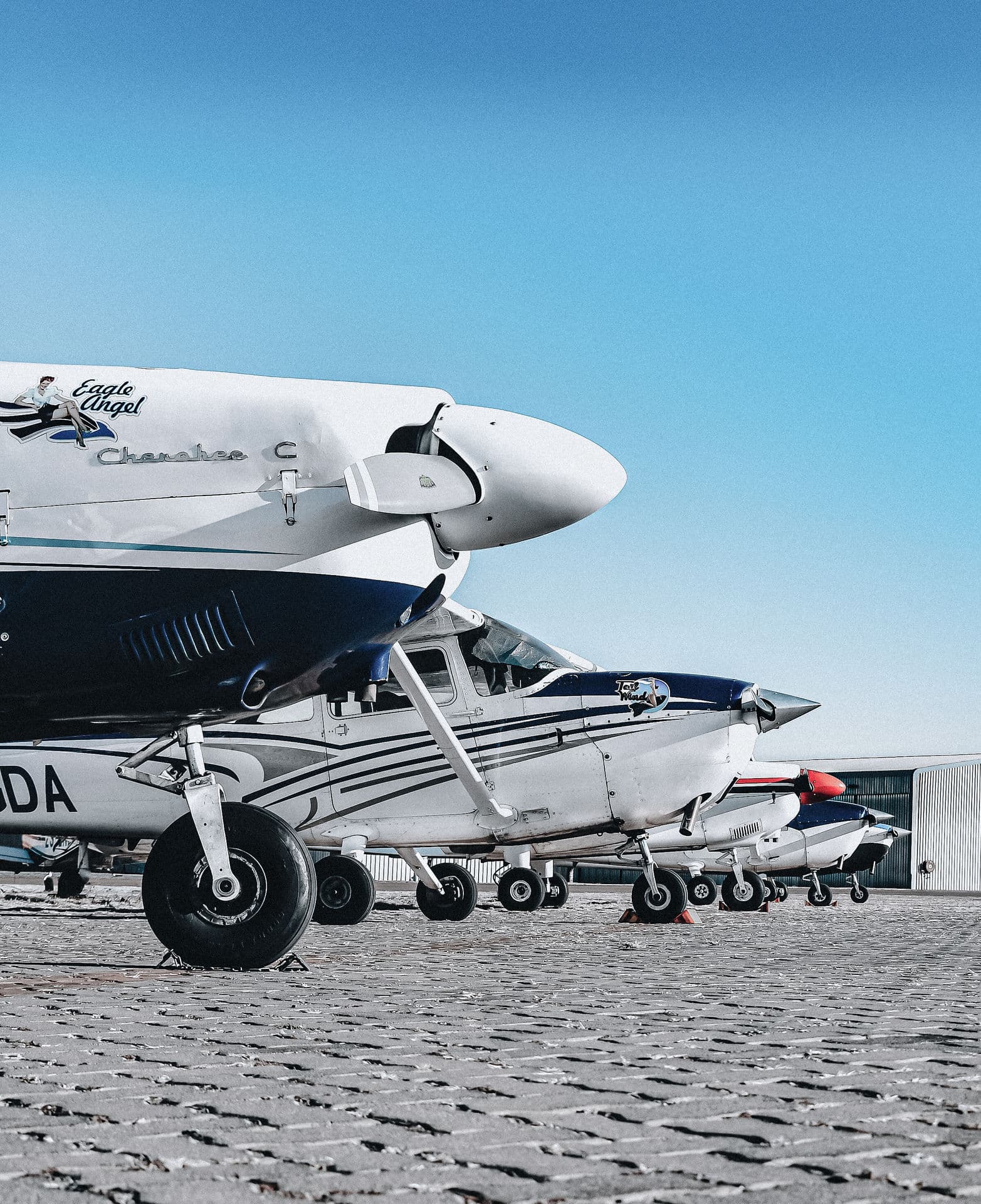
The nose and propeller of an Eagle Air Piper against a clear blue sky