01
You fly for yourself
Cloud, haze and poor visibility stop being reasons to cancel. You learn precise instrument flying, navigation and approaches in conditions you would otherwise stay on the ground for.


Instrument Rating (IR)
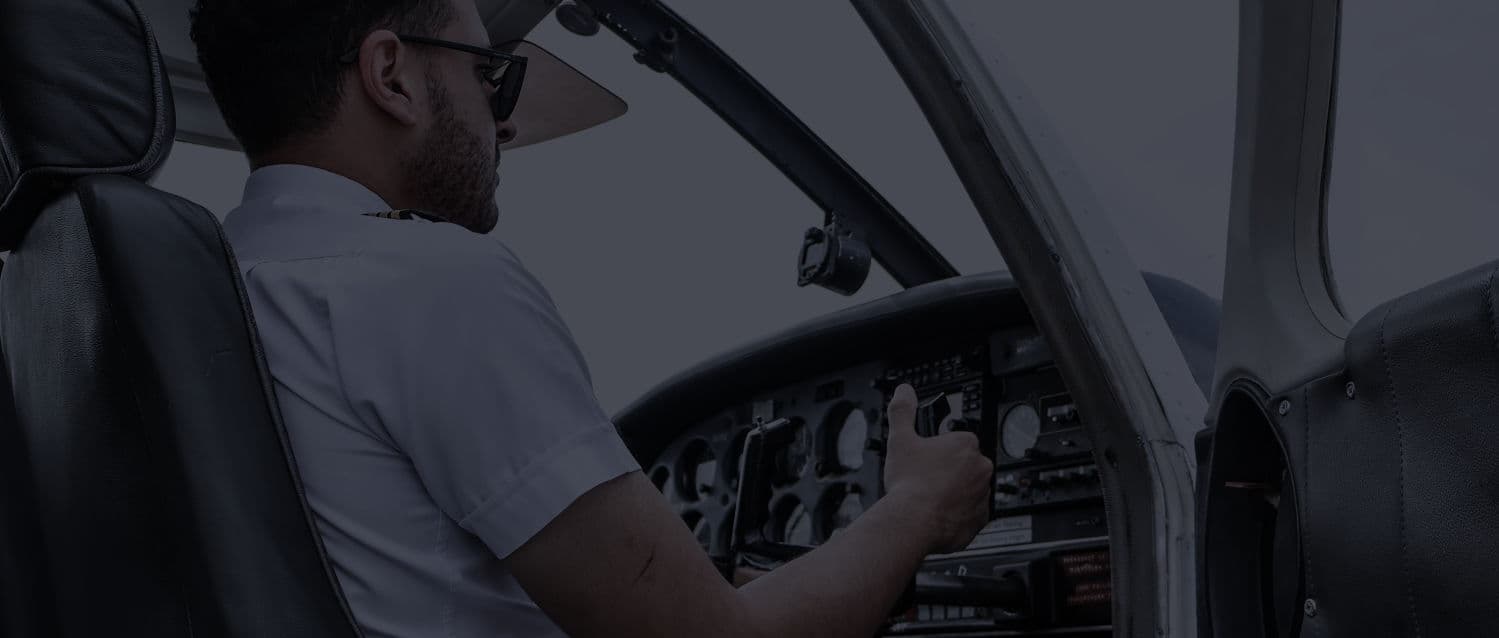
An Instrument Rating allows you to fly under Instrument Flight Rules (IFR), operating safely in low visibility using instruments alone. It is held to higher standards than a Private Pilot Licence or a Night Rating — and most airline operations are flown under IFR.
Where to begin
The rating that separates good-weather flying from all-weather flying — and the one most commercial cockpits assume you hold.
01
Cloud, haze and poor visibility stop being reasons to cancel. You learn precise instrument flying, navigation and approaches in conditions you would otherwise stay on the ground for.
02
It is essential for commercial pilots: most airline operations are conducted under Instrument Flight Rules, and a CPL taken with an Instrument Rating is the usual professional route.
The licence itself
A rating is an endorsement on the licence you already hold: this one changes the weather you can fly in, not what you may be paid for.
Training is held to higher standards than a PPL or a Night Rating, and the examination has a 75% pass mark.
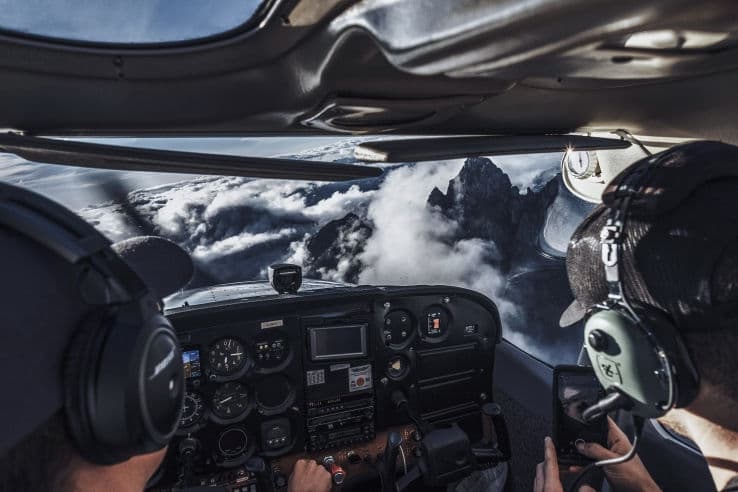
From fair-weather flying to flying on instruments alone
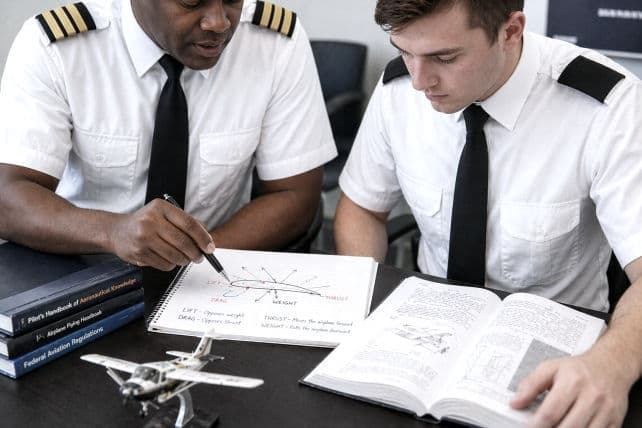
Experience first, then the instrument training itself, then an examination and a test with a Designated Flight Examiner.
Chapter 01
Step 01
What has to be in place before instrument training begins.
Milestone: PPL with Night Rating, or CPL
You need a valid Private Pilot Licence with a Night Rating, or a Commercial Pilot Licence; a valid Class 1 or Class 2 medical certificate; and a valid General Radiotelephony Certificate — the advanced radio licence for controlled airspace.
Step 02
The judgement that comes from flying yourself, somewhere, as pilot-in-command.
Milestone: 50 hours cross-country as pilot-in-command
A minimum of 50 hours cross-country flight time as pilot-in-command. Eagle Air's hire-and-fly and organised fly-away trips are how most students build it.
Chapter 02
Step 03
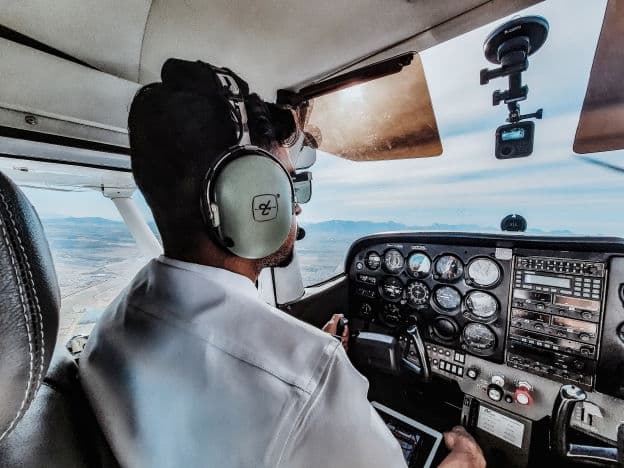
Precise instrument flying, instrument navigation and safe approaches without outside references.
Milestone: 40 hours, up to 20 in the simulator
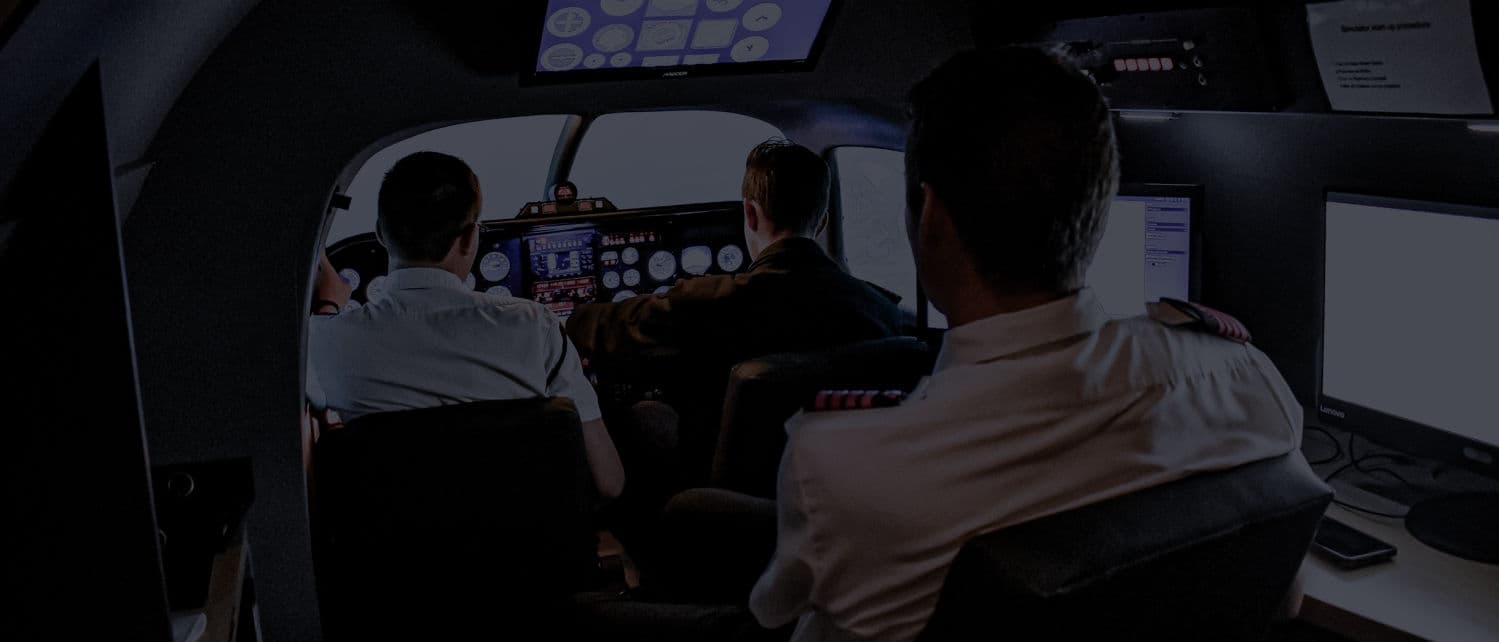
A minimum of 40 hours instrument flight training, of which up to 20 hours may be completed in a simulator — at Eagle Air, an FNPT II with GNSS and RNAV. Training covers advanced procedures, weather awareness and handling in-flight situations with no external visual references.
Chapter 03
Step 04
Applying it in the category the rating is issued for.
Milestone: 5 hours in the aircraft category
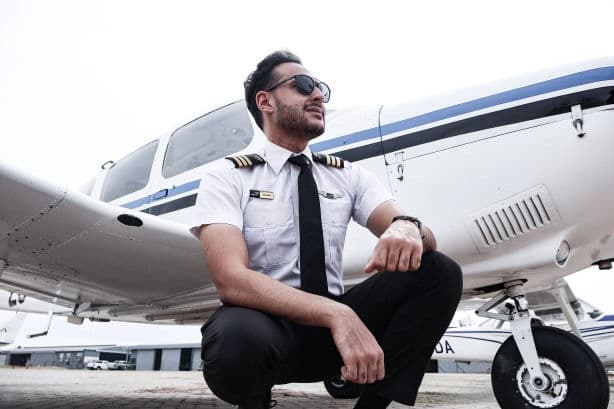
A minimum of 5 hours instrument training in the aircraft category for which the rating is sought.
Chapter 04
Step 05
The theory behind instrument procedures, examined.
Milestone: 75% minimum pass mark
The SACAA Instrument Rating online examination, with a minimum pass mark of 75% — a higher bar than earlier examinations.
Step 06The moment it becomes yours
Flying to instrument standards, assessed.
Milestone: Practical test with a Designated Flight Examiner
A practical flight test — the skills test — with a Designated Flight Examiner (DFE).
These are the requirements the rating is issued against — your instructor will plan the order with you.
Knowledge, handling and judgement
The skill this rating is named for: flying accurately when there is nothing to see outside.
No surprises
What you need before you start, what you fly during the rating, and what's required before it's issued.
01
The licence, medical and radio certificate this rating is added to.
A valid PPL with a Night Rating, or a CPL
Licence requirementA valid Class 1 or Class 2 medical certificate
Licence requirementA valid General Radiotelephony Certificate
The advanced radio licence, for controlled airspace and professional operations.
Licence requirement02
The experience and instruction you complete.
A minimum of 50 hours cross-country flight time as pilot-in-command
Licence requirementA minimum of 40 hours instrument flight training
Of which up to 20 hours may be completed in a simulator.
Licence requirementA minimum of 5 hours instrument training in the aircraft category the rating is sought for
Licence requirement03
The examination and the test.
Pass the SACAA Instrument Rating online examination
Minimum pass mark 75%.
Licence requirementPass a practical flight test (skills test) with a Designated Flight Examiner (DFE)
Licence requirementLicence requirement is set by the regulator; Eagle Air guidance is our own advice, not a condition of entry.
Honest numbers
Eagle Air doesn't publish a timeframe for the Instrument Rating, so this page doesn't invent one. The hours listed are what the rating requires, not how long it will take you.
What it costs
No price is published for the Instrument Rating. It is driven by the hours you still need and how many of them you fly in the simulator rather than the aircraft — so the team will build you an estimate.
The instrument hours
40 hours of instrument flight training, with a minimum of 5 of them in the aircraft category the rating is for.
Simulator or aircraft
Up to 20 of the 40 hours may be flown in the FNPT II simulator rather than the aircraft.
The cross-country command time
50 hours cross-country as pilot-in-command is required; how much of it you already hold changes what's left to fly.
What Eagle Air includes and what you arrange yourself is confirmed with the training team.
The horizon after this one
The rating that makes the rest of the professional route possible.
Next · 01
Taken with an Instrument Rating, the CPL is the usual professional route — and the reason most students are here.
Next · 02
A CPL with an Instrument Rating plus the ATPL theory examinations is a 'frozen ATPL'.
Next · 03
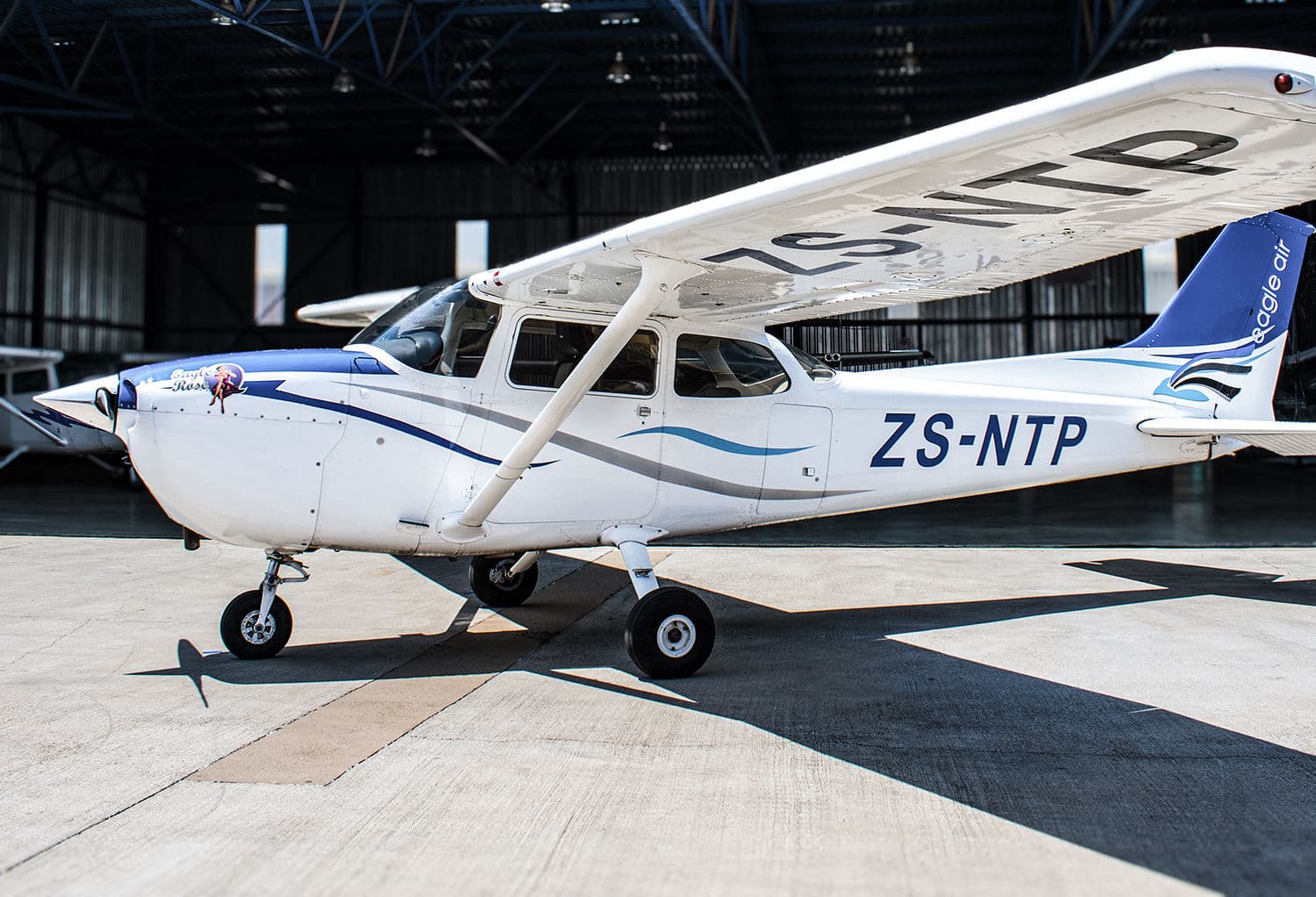
Build the cross-country command time this rating asks for, on hire-and-fly and organised fly-away trips.
Your first step
Tell us the licence and hours you hold — especially your cross-country command time — and the training team will tell you what's left between you and an Instrument Rating.