01
A frozen ATPL
You hold a CPL with an Instrument Rating and you have passed all the ATPL theoretical examinations. The theory is done; the experience is what you build next.


Airline Transport Pilot Licence
The Airline Transport Pilot Licence is the highest level of pilot certification. It qualifies you to operate as pilot-in-command on multi-crew aircraft, including large commercial airliners.
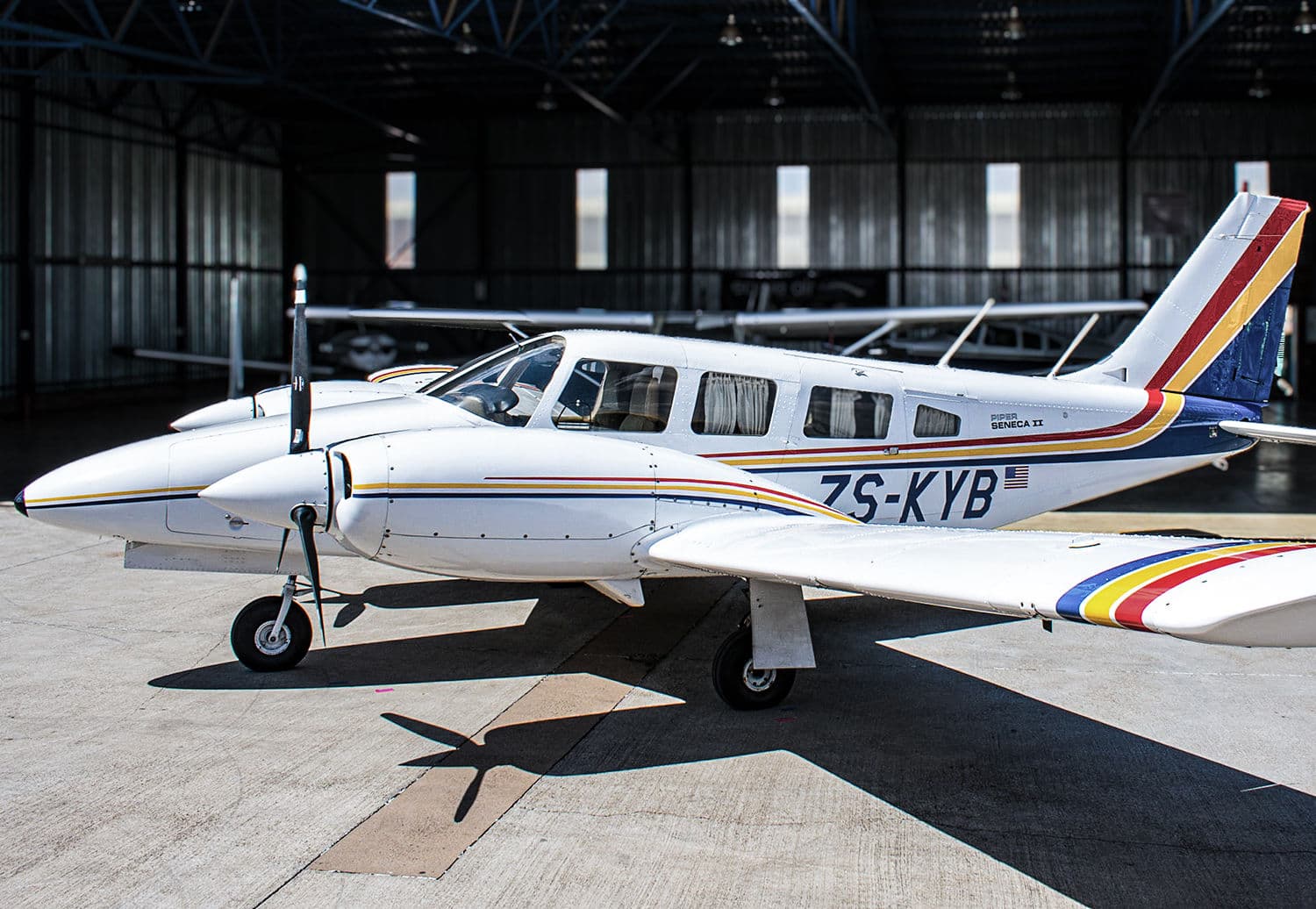
Where to begin
Almost nobody walks into an ATPL. Two things are being collected — the theory and the hours — and they are usually collected years apart.
01
You hold a CPL with an Instrument Rating and you have passed all the ATPL theoretical examinations. The theory is done; the experience is what you build next.
02
The hours are in the logbook — 1,500 of them, with the pilot-in-command, night, cross-country and instrument time the licence specifies.
The licence itself
It is a level, not an endorsement: it changes what you may command rather than what conditions you may fly in.
A frozen ATPL is a real and recognised position to be in, but it is not the full licence. Eagle Air's page is explicit that the experience still has to be built.
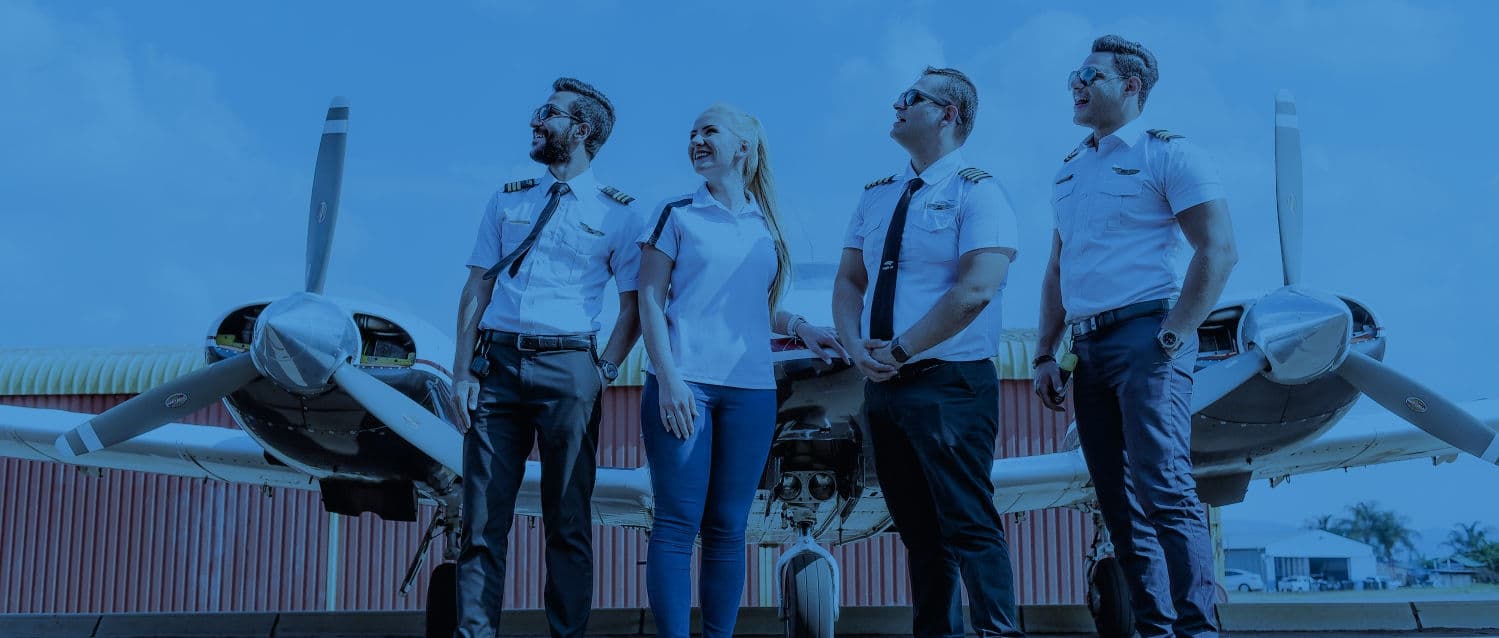
From a commercial licence to the left seat of an airliner
The ATPL page describes a sequence rather than a course, because this licence is the last step of a long one. Everything below is the route the school lays out.
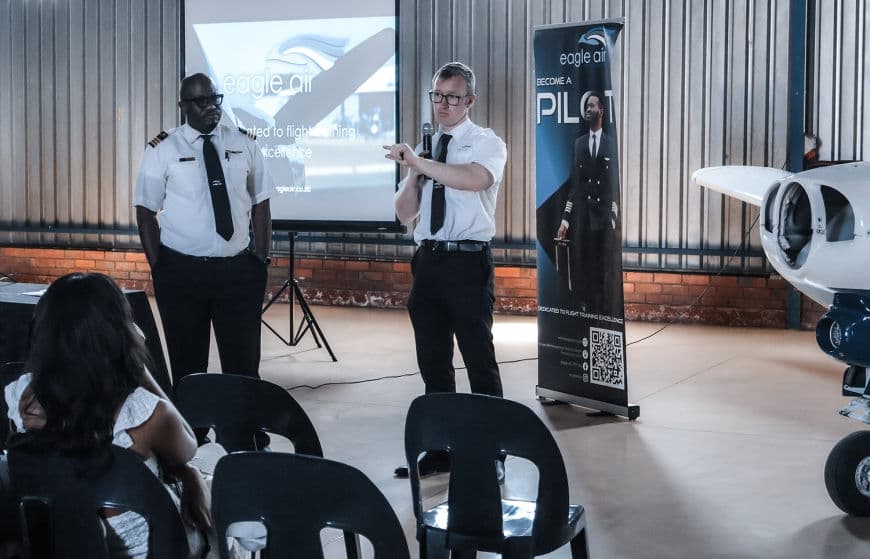
Chapter 01
Step 01
Learning to fly the aircraft, and to be responsible for it.
Milestone: PPL issued
The pathway begins with the Private Pilot Licence — the foundation every later licence is built on.
Step 02
Flying after dark in visual conditions.
Milestone: Night Rating added
The Night Rating follows the PPL, and is required before the Commercial Pilot Licence.
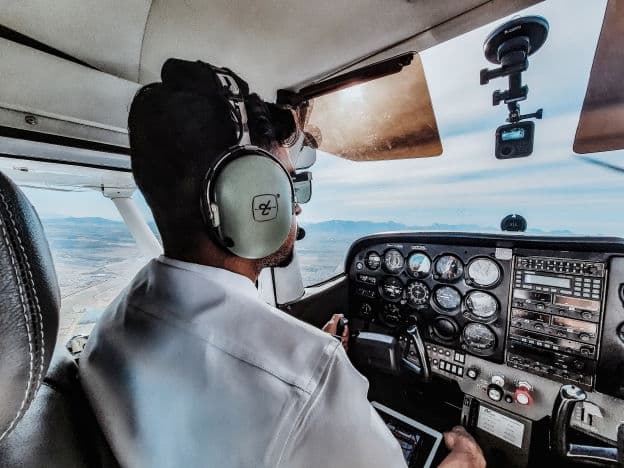
Chapter 02
Step 03
The commercial theory, and the flying time that has to run alongside it.
Milestone: CPL theory passed
Commercial ground school and examinations, along with the necessary hour building. These run together rather than one after the other.
Step 04
Flying on instruments alone, and flying on two engines.
Milestone: Both ratings held
Pilots then complete their Instrument Rating and Multi-Engine Rating before the commercial licence is issued.
Chapter 03
Step 05
Flying to a professional standard, for reward.
Milestone: CPL issued
The Commercial Pilot Licence is obtained after the Instrument and Multi-Engine Ratings.
Step 06The moment it becomes yours
The theoretical knowledge an airline command is held to.
Milestone: All ATPL theoretical examinations passed
The ATPL theoretical examinations and ground school. Passing all of them while holding a CPL with an Instrument Rating is what is meant by a frozen ATPL — you then build the required experience toward the full licence.
Chapter 04
Step 07
The final stage, flown with the hours behind you.
Milestone: ATPL issued
The journey culminates in the ATPL phase of training.
The 1,500 hours are accumulated across years of flying, not inside one course. Eagle Air's hire-and-fly and fly-away trips exist for exactly this.
This is the sequence Eagle Air publishes. Where you join it depends on the licence you already hold — the training team will place you on it.
No surprises
What you must already hold, the experience the licence is issued against, and what has to be passed.
01
The licence and the medical this one is built on.
21 years of age
Licence requirementHold a valid Commercial Pilot Licence (CPL)
Licence requirementHold a valid Class 1 Medical Certificate
Licence requirement02
The flight time the licence is issued against.
Minimum of 1,500 hours total flight time
The figure the licence is issued against, accumulated over years rather than inside a course.
Licence requirementAt least 250 hours as Pilot-in-Command (PIC)
Licence requirementAt least 100 hours as Pilot-in-Command by night
Licence requirementAt least 200 hours cross-country
Licence requirementMinimum of 75 hours instrument flight time
Of which up to 30 hours may be completed on a simulator.
Licence requirement03
Examinations and approved training.
Have completed the theoretical examinations
Licence requirementHave completed the required training at an approved ATO
Eagle Air is an approved Aviation Training Organisation (ATO 1082).
Licence requirementBook the SACAA theoretical examinations in advance
SACAA accepts examination bookings by email only, on Form CA 61-91 with proof of payment, at least seven calendar days ahead. Examinations are written at SACAA headquarters, accredited centres and designated outstations including Cape Town, Durban, Port Elizabeth and Mossel Bay.
Licence requirementLicence requirement is set by the regulator; Eagle Air guidance is our own advice, not a condition of entry.
Honest numbers
Nobody can tell you how long an ATPL takes, because the licence is issued against 1,500 hours of flying rather than a course of a fixed length. Eagle Air publishes no timeframe for it, and this page does not invent one.
What it costs
No price is published for the ATPL. Because so much of it is flight time rather than instruction, a realistic figure depends entirely on the hours you already hold.
The hours you still need
1,500 hours total, including 250 as pilot-in-command, 100 pilot-in-command by night and 200 cross-country.
Instrument time, and where you fly it
75 hours of instrument flight time is required, of which up to 30 hours may be completed on a simulator rather than in the aircraft.
Ground school and the examinations
The ATPL theoretical examinations and the ground school that prepares you for them.
What Eagle Air includes and what you arrange yourself is confirmed with the training team.
The horizon after this one
This licence is reached rather than started. These are the steps that come before it.
Next · 01
The licence the ATPL requires before it. If you don't hold one yet, this is the real next step.
Next · 02
How the 1,500 hours actually get flown: hire-and-fly, and organised fly-away trips to other airfields.
Next · 03
Required on the way to a CPL, and part of what makes an ATPL frozen rather than merely examined.
Your first step
Tell us the licence you hold and roughly the hours in your logbook, and the training team will tell you honestly where on this pathway you are and what comes next.