
International students
Your journey to the cockpit may cross borders.
Train at Wonderboom National Airport in Pretoria, with a team that helps international students understand the steps before they arrive.
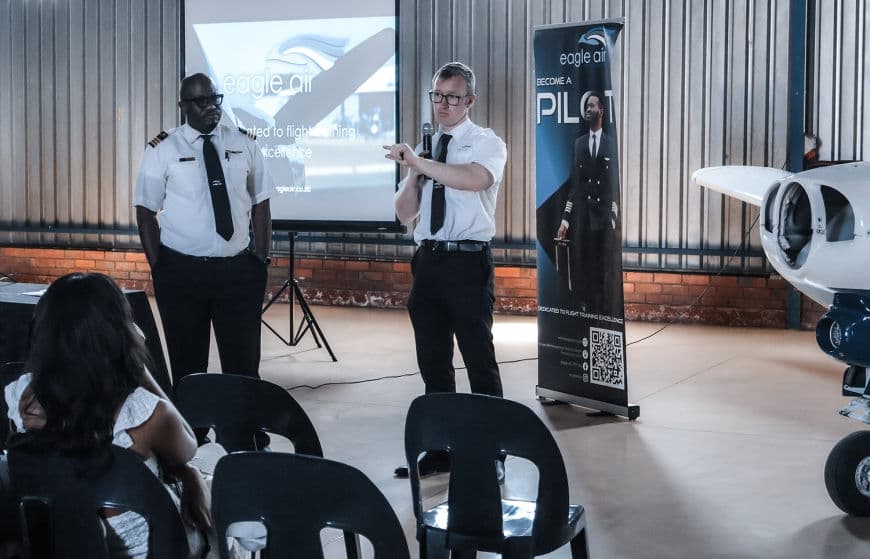
Eagle Air trains local and international students at Wonderboom National Airport in Pretoria.
Eagle Air policy
Training runs from a first lesson with no experience through to professional qualifications.
Eagle Air policy
A South African PPL or CPL is open to international students with the appropriate study visa, secured before training begins.
Authority requirement
The first step is a conversation about your circumstances and what you want to fly for.
Eagle Air policy
Before anything else
The four questions everyone asks first
Short answers, before the detail. Everything below is either something Eagle Air can confirm or something the authorities decide — and the difference is marked.
01
Can international students train at Eagle Air?
Yes. Eagle Air trains local and international students at Wonderboom National Airport in Pretoria, subject to the appropriate aviation, immigration and enrolment requirements.
Eagle Air policy
02
Can I start with no flying experience?
Yes. You can begin with private-pilot training and continue toward professional qualifications from there.
Eagle Air policy
03
Can I train if I already hold a licence?
Possibly. The right route depends on the licence you hold, who issued it, whether it is current, and what you want to do next. The team reviews your documents before saying which route applies.
Confirmed for your situation
04
Does Eagle Air arrange visas?
No. Eagle Air may provide school documentation or a supporting letter where that applies, but obtaining the correct immigration permission remains yours to arrange.
Authority requirement
How to read this page
- Eagle Air policy
- How Eagle Air works. The school can confirm this.
- Planning guidance
- A guide for planning. It is not a commitment or a date.
- Confirmed for your situation
- Depends on your history and documents. The team confirms it with you.
- Authority requirement
- Set by the South African authorities, not by Eagle Air. Confirm it with the authority.
Recognise yourself
Which of these sounds like you?
Pick the one that fits best. It changes what this page suggests you do first — it does not decide your route.
Nothing selected yet
Choose whichever line sounds most like you, and this panel will suggest where to begin.
Based on what you selected, this is the best place to begin. Eagle Air will confirm your exact route after reviewing your documents and training history.
Four ways in
The routes people actually arrive on
Four starting points. Which one is yours depends on what you have already done — and, past a point, on what the authorities require rather than what the school decides.
Route 01
Planning guidanceStarting with no experience
The longest route, and the most common one for students arriving from abroad.
The shape of it
- Private Pilot Licence (PPL)
- Night Rating
- Hour building
- Instrument and multi-engine training
- Commercial Pilot Licence (CPL)
- Further professional development, if you choose
What gets reviewed
- What you want flying to become
- How long you can be in South Africa
- When you can start
The exact route depends on your goals and on the requirements that apply when you train.
Read the course in detailRoute 02
Confirmed for your situationContinuing training you started elsewhere
Nothing is assumed about what carries over. It is reviewed.
The shape of it
- Send your logbook and training records
- The team reviews what you have flown and passed
- You receive a training plan built around it
- Training continues toward your licence
What gets reviewed
- Existing logbook
- Training records
- Theory examination status
- Medical certificate
- Licence or student-pilot documentation
- How recently you have flown
- Which authority and training organisation you trained under
Whether previous training counts toward a South African licence is decided on your records and the applicable requirements — not by this page.
Route 03
Authority requirementHolding a licence from another country
There is no single answer here, and anyone who gives you one is guessing.
The shape of it
- Send your licence, medical and logbook
- The team confirms what applies to your licence and your intentions
- Any required training or testing is planned from there
What gets reviewed
- Licence type
- Issuing country
- The South African privileges you want
- Medical and language requirements
- SACAA requirements that apply to you
- Whether you want temporary flying privileges or a longer-term qualification
Conversion, validation and further training each depend on your licence and on SACAA requirements. Eagle Air does not describe a universal process, because there isn't one.
Route 04
Eagle Air policyHour building and advanced training
For pilots who already hold a licence and want flying time or a specific rating.
The shape of it
- Hire and fly, subject to Eagle Air's assessment and authorisation
- Hour building
- Night Rating
- Instrument Rating
- Multi-Engine Rating
- Instructor Rating
- Commercial training
What gets reviewed
- Your licence and its privileges
- Recent flying experience
- The aircraft you want to fly
Hire-and-fly access remains subject to Eagle Air's assessment and authorisation requirements.
Read the course in detail
The process, in order
How an application actually goes
Six steps. The school does some of them, you do others, and the page says which is which.
Do not book non-refundable travel until your training place and your immigration permission are both confirmed.
01
Tell us about your goal
Your stepEnough for the team to understand your situation — no documents yet.
- Country of residence and nationality
- Your flying experience so far
- Any licence you already hold
- The course you have in mind
- When you would like to start, and how long you have
- Whether the training is self-funded, employer-funded or sponsored
02
Eagle Air reviews the route
Eagle Air's stepThe team works out what applies to you specifically.
- Which course you should start with
- Which documents need reviewing
- Whether your existing experience may be relevant
- Whether any additional assessment is needed
- What still has to be confirmed, and by whom
03
You receive a proposed training plan
Eagle Air's stepA route and a sequence — not a completion date, because nobody can honestly promise one.
- The recommended route
- The initial course sequence
- The training stages ahead
- How payment works
- Which school documents you will receive
- What to prepare before you arrive
04
Prepare documents and immigration permission
TogetherThree separate piles, and mixing them up is the usual mistake.
- Documents Eagle Air can issue to you
- Documents Eagle Air needs from you
- Documents you must obtain from an authority or a third party
05
Confirm travel and arrival
Your stepOnly once the necessary documentation and arrangements are in place.
- Confirm your training start with the school
- Confirm your immigration permission is in order
- Then book travel — not before
06
Arrive and begin
TogetherWhat the first days at the school involve.
- Document verification
- Training registration
- School orientation and a tour of the base
- Account and payment setup
- Your training schedule and an introduction to your instructor
- Familiarisation with the aircraft and the simulator
Paperwork, sorted by how likely it is
What you may be asked for
Not one universal list. Which of these applies depends on who you are and what you are training for, so each is marked.
This is a planning checklist, not an official requirement list. The team confirms what applies to you after reviewing your history.
Usually required
Passport
Identity for enrolment, and the document your immigration permission attaches to.
Appropriate visa or immigration permission
A South African PPL or CPL is open to international students with the appropriate study visa, secured before training begins.
Aviation medical certificate
Flight training requires a medical from an approved examiner. The school can point you to one.
Required for certain students
English Language Proficiency documentation
Language proficiency is part of holding a licence, and is assessed rather than assumed.
Proof of a South African address while training
Where you will be living while you train, which also affects transport arrangements.
Existing pilot licence
If you hold one, everything about your route depends on what it is and who issued it.
Logbook
What you have actually flown, which the team reads before proposing a plan.
Employer or sponsorship documentation
Where someone else is funding the training, the arrangement is documented.
May be requested after document review
Certified training records
What your previous school taught and signed off.
Examination results
Which theory examinations you have already passed.
Passport photographs
Commonly needed for registration and licensing paperwork.
Proof of payment
Training is booked against a funded account.
SACAA forms for your chosen training
Which forms apply depends on the training and on your circumstances.
Eagle Air provides this where applicable
School enrolment or supporting documentation
Where it applies, Eagle Air can issue documentation confirming your enrolment.
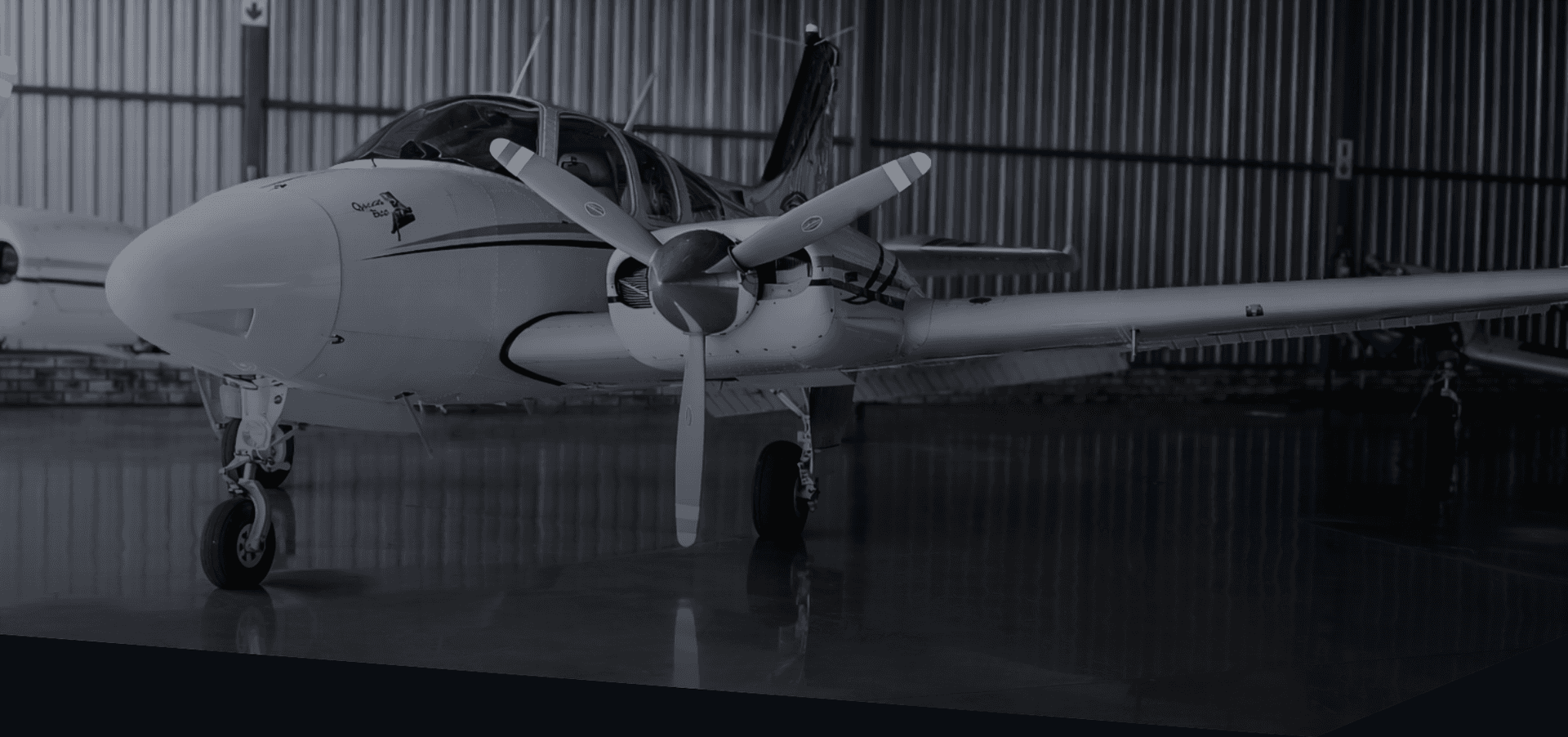
The distinction that costs people money
Training documents and visa requirements are not the same thing.
This is the distinction that causes the most trouble, so it gets its own section rather than a line in a list.
Eagle Air can confirm enrolment or provide school-related supporting documentation where that applies.
Eagle Air policyEagle Air does not approve or issue visas, and cannot guarantee that any application succeeds.
Eagle Air policyImmigration requirements depend on your nationality, the length of your course and your own circumstances.
Authority requirementThe appropriate study visa must be secured before training begins.
Authority requirementGovernment requirements change, and what was true for another student may not be true for you.
Authority requirement
Visa and immigration information is provided as general guidance. Requirements must be confirmed with the relevant South African authority before travel.
Reviewed 16 Sep 2026
Separate approvals, separate bodies
A visa is permission to be here. It is not permission to fly.
These are separate approvals from separate bodies, and having one says nothing about the others.
Immigration permission
Allows you to be in South Africa for your stated purpose. Granted by the South African authorities.
Authority requirementSchool enrolment
Your training place at Eagle Air. Arranged with the school.
Eagle Air policyAviation medical
A medical certificate from an approved examiner, required to train.
Authority requirementSACAA registration and licensing
Registration and licensing requirements set by the South African Civil Aviation Authority.
Authority requirementLicence validation or conversion
What applies to a foreign licence depends on the licence and on SACAA requirements.
Confirmed for your situationEnglish Language Proficiency
Assessed, and required for the licence rather than for entry to the country.
Authority requirementCourse entry requirements
Each course has its own prerequisites — a PPL before a Night Rating, and so on.
Eagle Air policy
This starts a conversation. Do not send passports, medical records or full logbooks through a general enquiry form — the team will tell you how to share documents securely.
Money, in three piles
What you will be paying for
Eagle Air does not publish a single course price, because the honest total depends on the hours you actually fly. Instead, here is what falls into which pile — and who you would be paying.
- Eagle Air policy
What Eagle Air charges
Training and school-related fees, which the team sets out in your training plan.
- Flight training
- Ground school
- Simulator training
- Learning materials sold by the school
- Aircraft hire for hour building
- Authority requirement
What other organisations charge
Paid to people who are not Eagle Air, and not set by the school.
- Aviation medical examination
- SACAA examination and licensing fees
- Visa and immigration costs
- Travel to South Africa
- Insurance
- Accommodation
- Local transport
- Confirmed for your situation
What varies from student to student
The part nobody can quote in advance, because it depends on you.
- How quickly you progress
- Any additional instruction you need
- How often you can fly
- Personal and living expenses
- Uniform and pilot equipment
How payment works
The team explains the payment structure with your training plan, so you know what has to be in the account before a flight is booked.
South African Rand
Any figure the team gives you is in South African Rand (ZAR). Exchange rates move, so budget with room rather than converting once and planning around it.
This page shows no converted foreign-currency amounts, because a converted figure is not the amount you will pay.
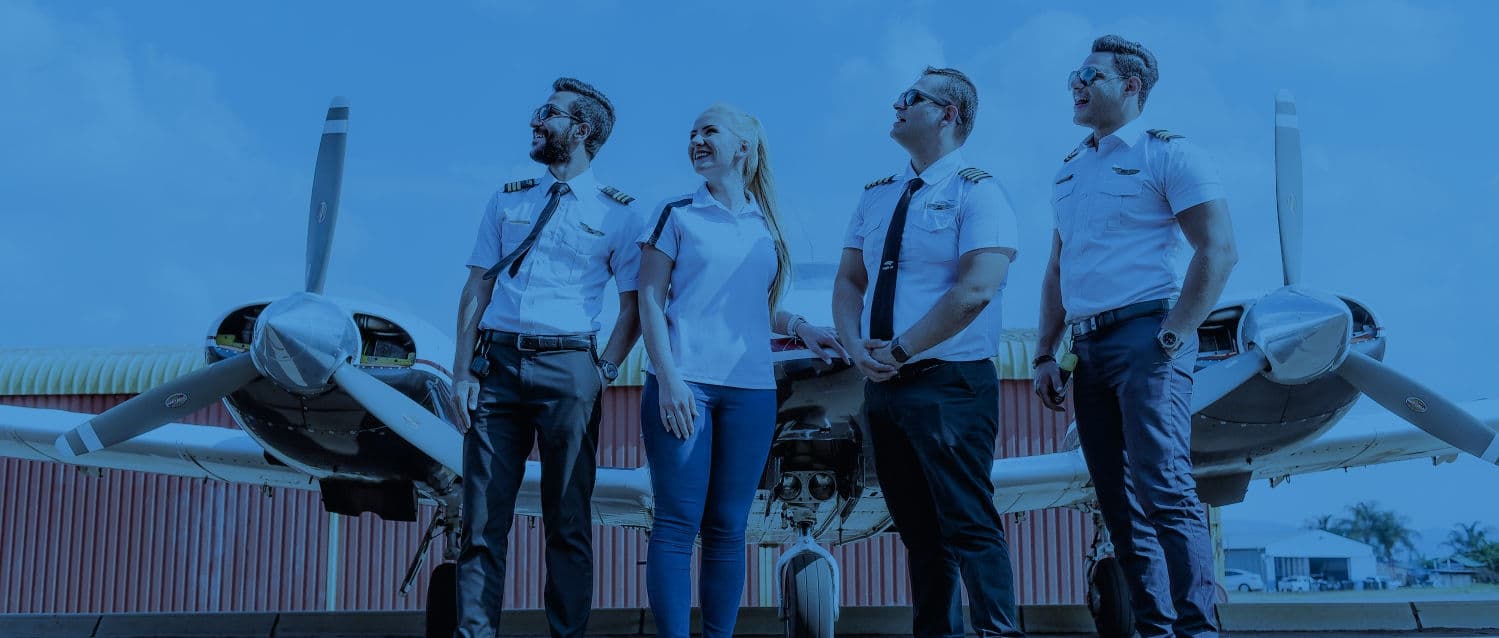
Employers, departments and sponsors
When someone else is funding the training
Employers, government departments, sponsors and aviation organisations all arrange training here. The conversation is a different one, so it has its own route in.
What the team can discuss
- Training plans for one trainee or a group
- Service-level agreements
- Trainee documentation
- How progress is reported back
- Funding arrangements
- Invoicing requirements
- Supporting documentation
How VAT applies depends on the contracting entity, residency and the supporting documents, so it is reviewed for each arrangement rather than stated as a rule.
Discuss Sponsored TrainingArrival
Where you will actually be
Not a country on a map — a hangar with a number, at a working airport.
01
South Africa
The licence you train for is a South African one, issued under SACAA.
02
Pretoria
In the north of the country, part of the Gauteng province.
03
Wonderboom National Airport (FAWB)
A working airport with other traffic and a control tower — not a quiet training strip.
04
Hangar 58A
Eagle Air's base: the fleet, briefing rooms, examination stations and the simulator, all on one site.
Briefing rooms, the simulator, examination stations and the fleet are all at the training base.
Eagle Air policyYou train in a real operational environment, with other traffic and a control tower.
Eagle Air policyStudent transport runs between your accommodation and the airport within a 10 km radius.
Eagle Air policy
- Address
- Hangar 58A, Wonderboom National Airport, Pretoria, South Africa, 0084
- Airfield
- FAWB
- Telephone
- +27 12 543 1929
- info@eagleair.co.za
The team will tell you where to go on your first day, and who to ask for when you get there.
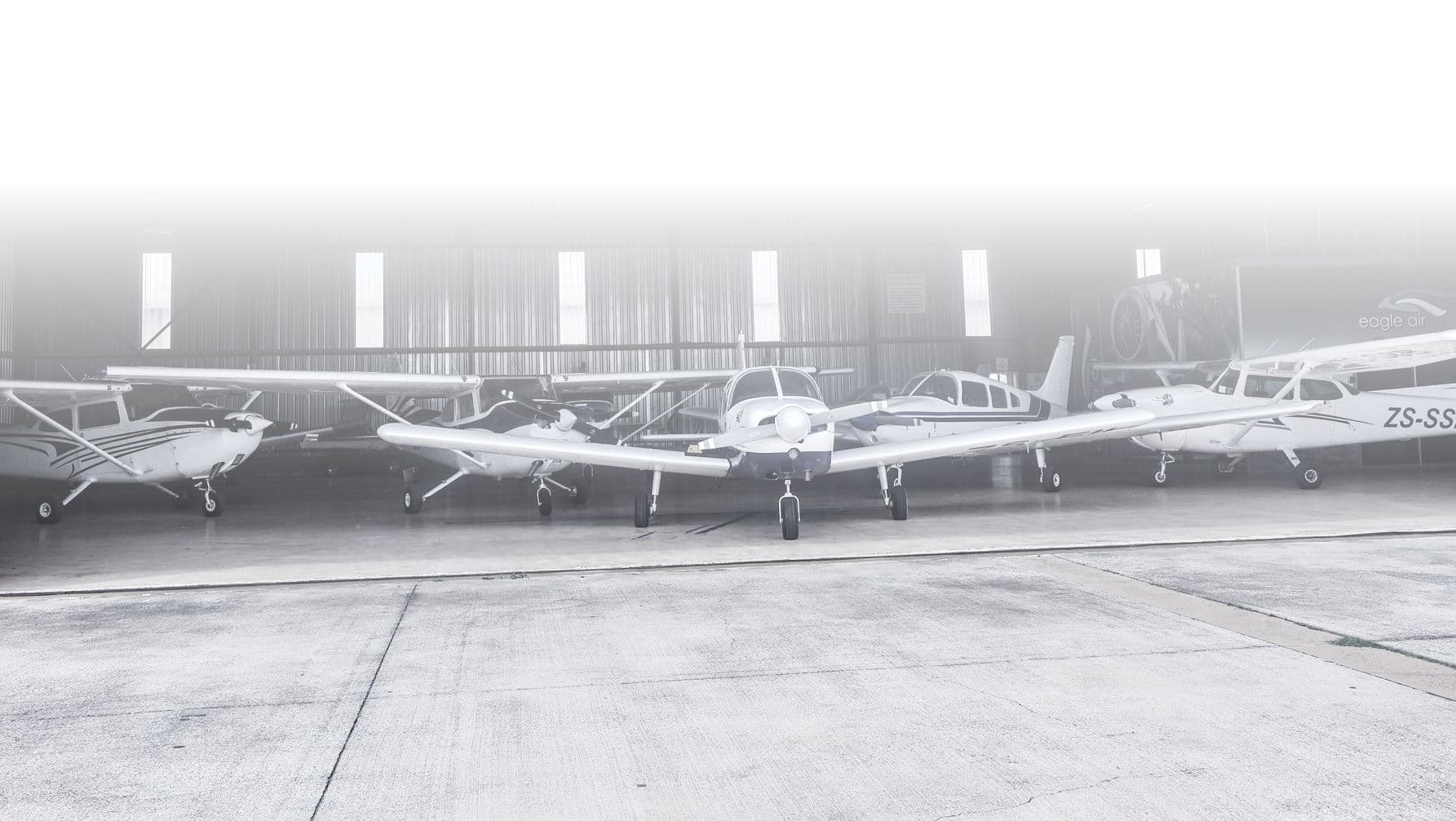
Living here while you train
Where you will live, honestly
Eagle Air has not published accommodation arrangements, so this page will not imply any. What it can tell you is the one thing that genuinely shapes where you should look.
Student transport runs between your accommodation and the airport within a 10 km radius — so staying inside that radius is the practical constraint.
Eagle Air policy
Ask the team about
- Does Eagle Air arrange or recommend accommodation?
- Are there places other students have stayed that you would suggest?
- Is there anything about getting to the airport each day I should know before I commit to somewhere?
Planning, not promises
Planning guidanceHow long this takes, and why nobody can promise you a date
Two students starting the same course on the same day can finish months apart. These are the reasons, and they are the same for everyone.
Full-time training
Flying as often as weather and availability allow, which is the fastest honest way through.
An intensive period
A fixed block of time in South Africa, with a plan built to fit it.
A single rating
One specific qualification added to a licence you already hold.
Hour building
Flying time toward a requirement, subject to authorisation.
The full professional route
No experience to a commercial licence, the longest commitment here.
What actually decides it
- The course you choose
- How quickly you progress
- How often you can fly
- Weather
- Aircraft availability
- Instructor availability
- Completing your examinations
- Medical and regulatory documentation
- Keeping your account in credit for scheduled flying
- Any additional training you need along the way
Whichever shape fits, treat any duration you are given as planning guidance. Eagle Air's own course pages give ranges rather than dates for exactly this reason.
The part nobody photographs
What a training day is actually like
The part that is the same whether you flew in from Lagos or drove in from Centurion.
Arrive at the school
Early, usually — the air is smoothest at the start of the day.
Morning briefing
What you are going to fly, and what you are being assessed on.
Weather and planning
Deciding whether the day works, and planning the flight that fits it.
Ground school
The theory behind what you are about to do in the aircraft.
Simulator
The FNPT II with GNSS and RNAV, where procedures get cheap to repeat.
Walkaround
Preparing the aircraft yourself, every time, before it moves.
Dual instruction
The flight itself, with an instructor beside you.
Debrief
What happened, what to fix, what to do next time.
Study between flights
The examinations do not pass themselves.
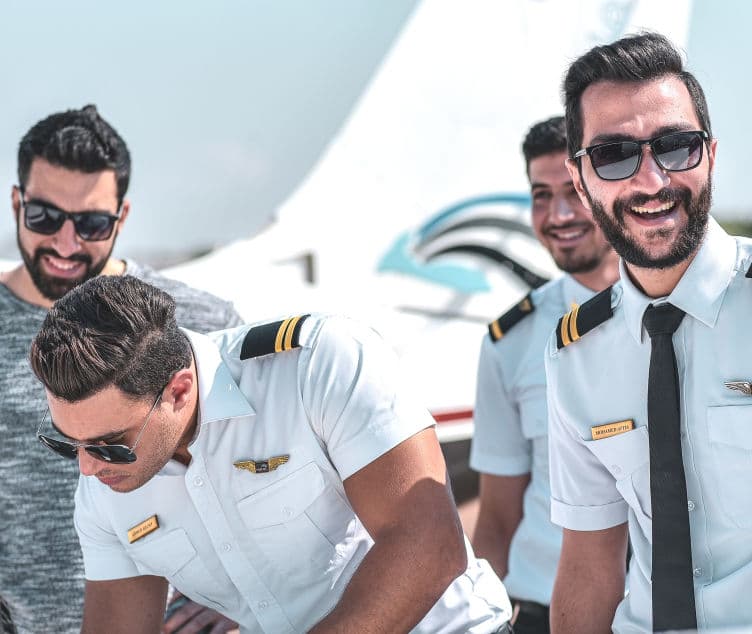
The other students
Local and international students training alongside each other.
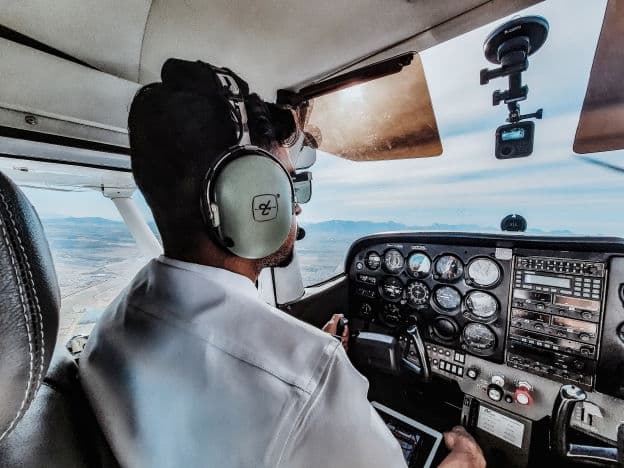
Before you book anything
Questions worth asking before you book anything
Can I begin with no flying experience?
Yes. Most students start at the Private Pilot Licence with no previous flying.
Eagle Air policy
Can Eagle Air review my existing foreign licence?
Yes. Send the licence, your medical and your logbook, and the team will tell you what applies to your situation.
Confirmed for your situation
Can Eagle Air provide a visa-support letter?
Where it applies, Eagle Air can provide school documentation confirming enrolment. What your application requires is decided by the authorities, not by the school.
Confirmed for your situation
Does Eagle Air arrange my visa?
No. The appropriate study visa is yours to obtain, and it must be secured before training begins.
Authority requirement
Do I need a South African aviation medical?
Flight training requires a medical certificate from an approved examiner. The team can point you to one, and will tell you which class applies to your course.
Authority requirement
Will my previous flight hours count?
That depends on your logbook, your training records and the requirements that apply. It is reviewed rather than assumed — and this page will not guess at it.
Confirmed for your situation
Can I build hours at Eagle Air?
Yes, subject to Eagle Air's assessment and authorisation requirements for flying its aircraft.
Eagle Air policy
Can I train full time?
Yes. Training frequency is one of the main things that decides how long a course takes.
Eagle Air policy
Does Eagle Air provide accommodation?
The school has not published accommodation arrangements, so ask the team directly rather than assuming either way. What is confirmed is that student transport runs within 10 km of the airport.
Confirmed for your situation
Is transport available?
Yes — student transport runs between your accommodation and the airport within a 10 km radius.
Eagle Air policy
How do payments work?
No course price is published, because the total depends on the hours you fly. The team sets out the payment structure with your training plan.
Eagle Air policy
Can my employer pay for my training?
Yes. Employer- and sponsor-funded training is arranged regularly, including the documentation and invoicing that goes with it.
Eagle Air policy
Which documents should I send first?
None, at first. Start with a message about your situation. The team will tell you what to send and how to send it safely.
Eagle Air policy
Should I book flights before my application is reviewed?
No. Wait until your training place and your immigration permission are both confirmed.
Eagle Air policy
Who confirms my exact SACAA requirements?
The South African Civil Aviation Authority sets them, and the team will tell you which of them apply to your training. Neither this page nor a general answer can do that for your situation.
Authority requirement
One message, and a real answer
Tell us where you are starting from
Enough to give you a real answer, and nothing sensitive. Two minutes.
One enquiry covers every route into Eagle Air. Open it from here and it already knows you are writing from abroad, so it asks the questions that matter for that — and leaves out the ones that don't.
Five short steps · no payment · nothing booked
Please do not attach passports, medical records or full logbooks here. Once the team has read your message, they will tell you how to share documents securely.
What happens next
- Eagle Air reads your enquiry and works out what applies to you.
- Someone from the team contacts you to talk it through.
- If documents are needed, they will tell you how to send them securely.
- Together you agree a training route and what it involves.
- You finalise travel only once the necessary arrangements are confirmed.
Open sky
Your training may begin far from home. Your first step begins here.
Tell the team where you are starting from, and they will tell you what actually applies to you.